


|
|
|
|
by Editor Jane Lyons
Edited and published by Yvette Depaepe, the 20st of March 2026
"I have always looked upon decay as being just as wonderful and rich an expression of life as growth."
~Henry Miller~
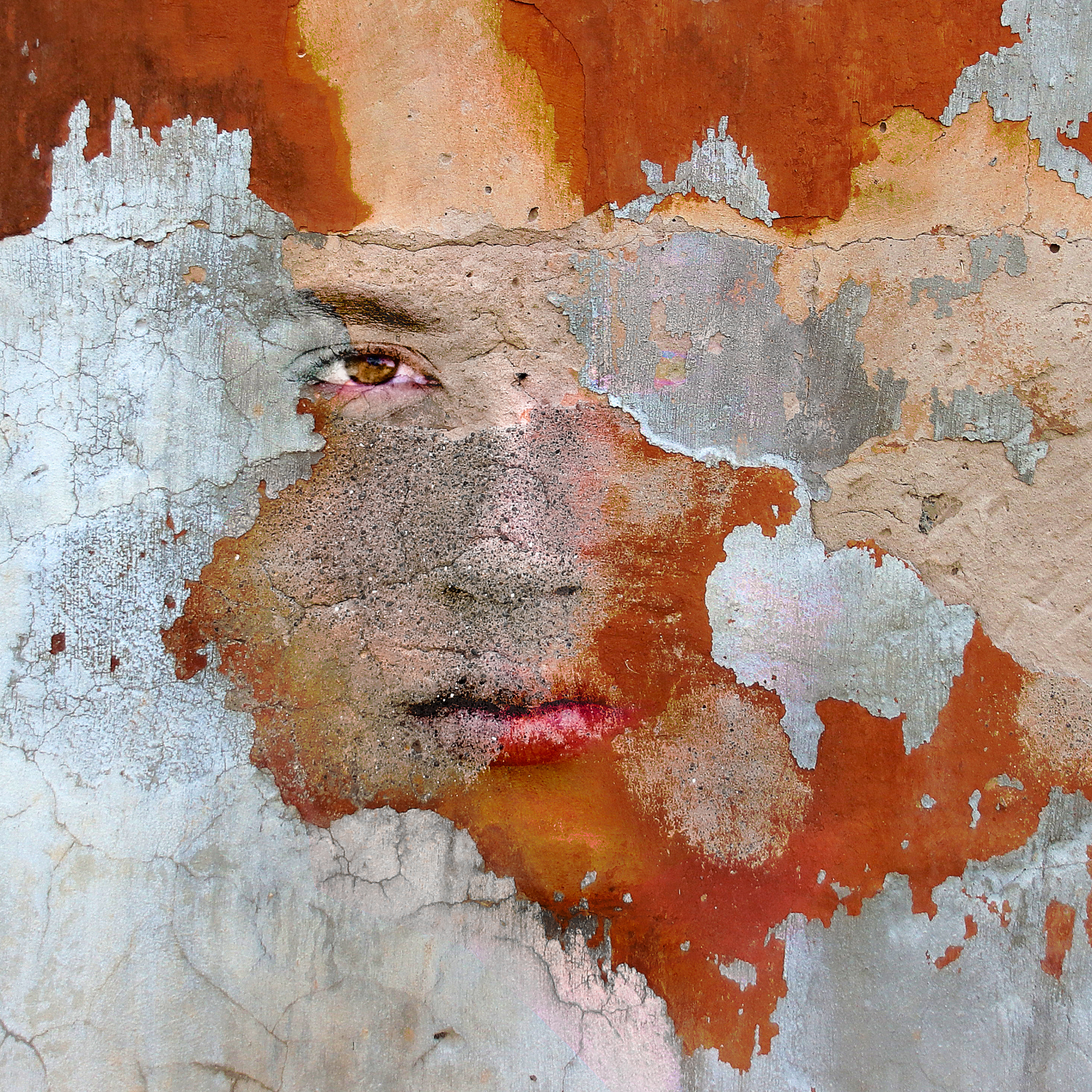
“Under all the layers is you” by Gaby Grohovaz
As many photographers have discovered, beauty can be found in the most unexpected places, especially when materials or subjects bear the marks of time. The visual evidence of ageing — oxidation, fractures, peeling, fading, erosion and cracking — produces original aesthetics layered with the texture of time itself.
Visually, decay provides an authentic history, contrasting with newness to create an additional layer of meaning and significance. Through photography, decayed objects can be transformed into contemporary art by isolating and repurposing colour, line, shape and texture.
The archives at 1x contain some wonderful photographs that are the best examples of decay's transformative power, and the photographer Þorsteinn H. Ingibergsson has created a wonderful portfolio devoted solely to decay in his native Iceland. There are countless other artists who find beauty in the random abstraction of decay and time.
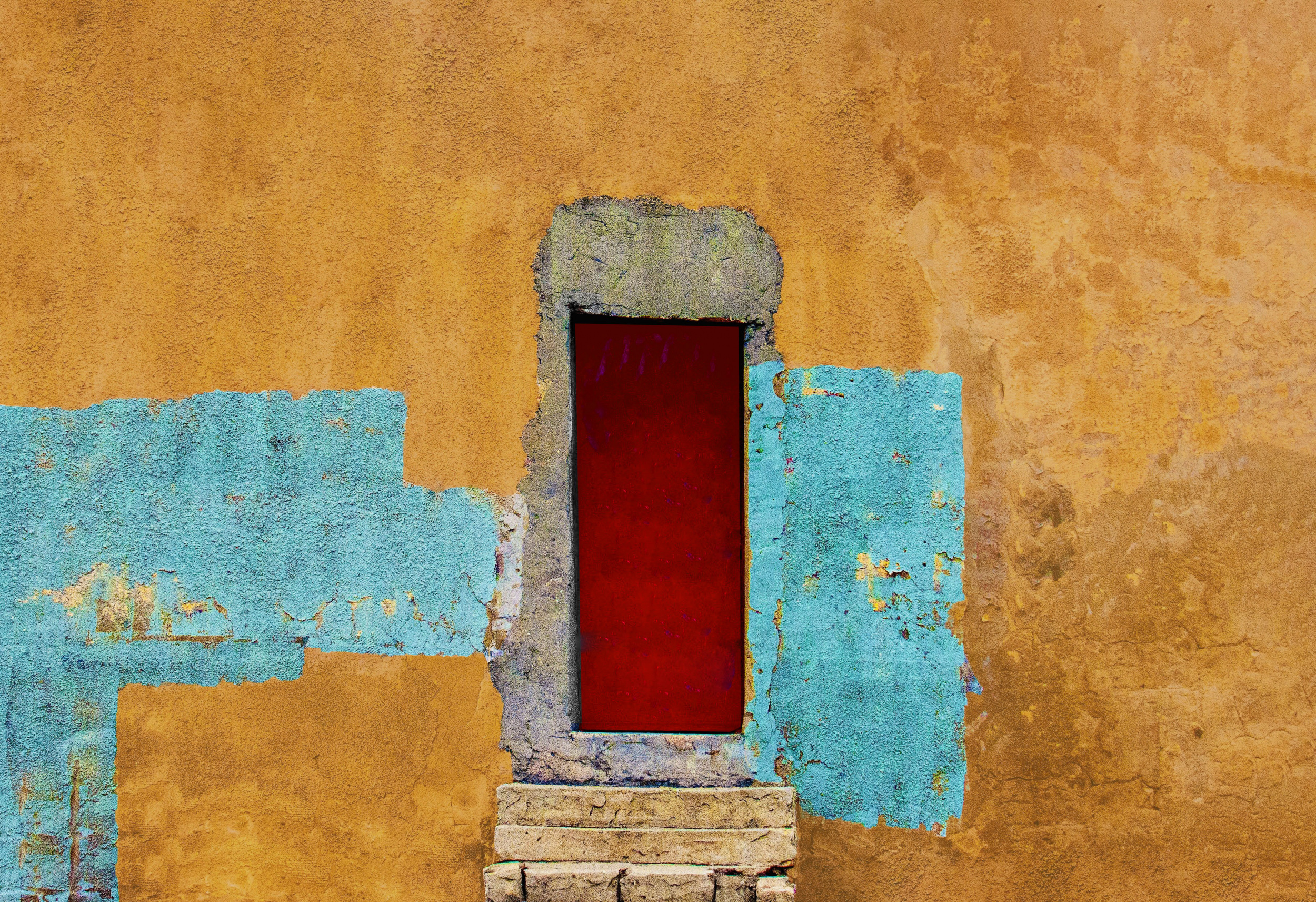
“The Red Door -Old Jaffa” by Arnon Orbach
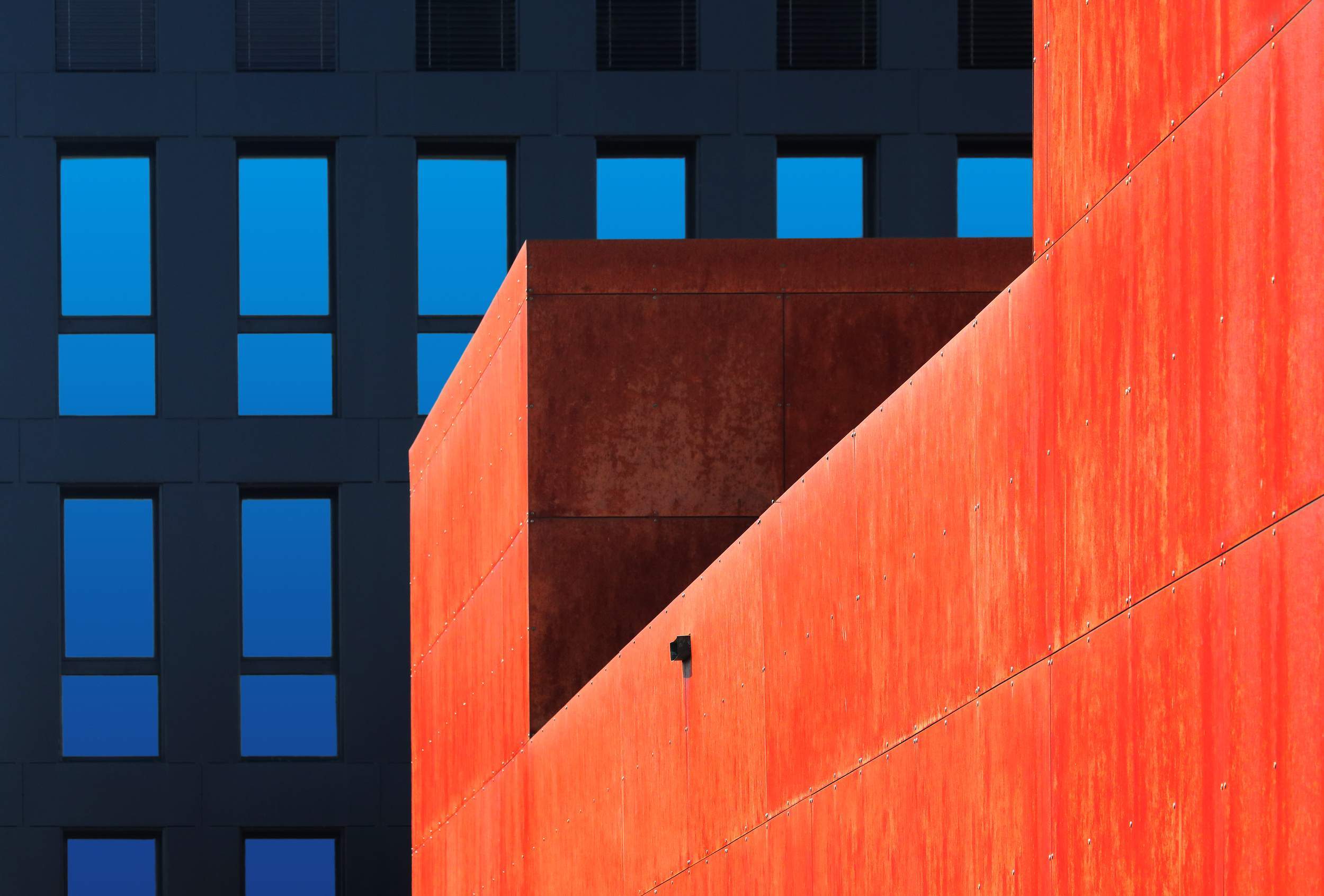
“Rusty Castle” by Hans-Wolfgang Hawerkamp
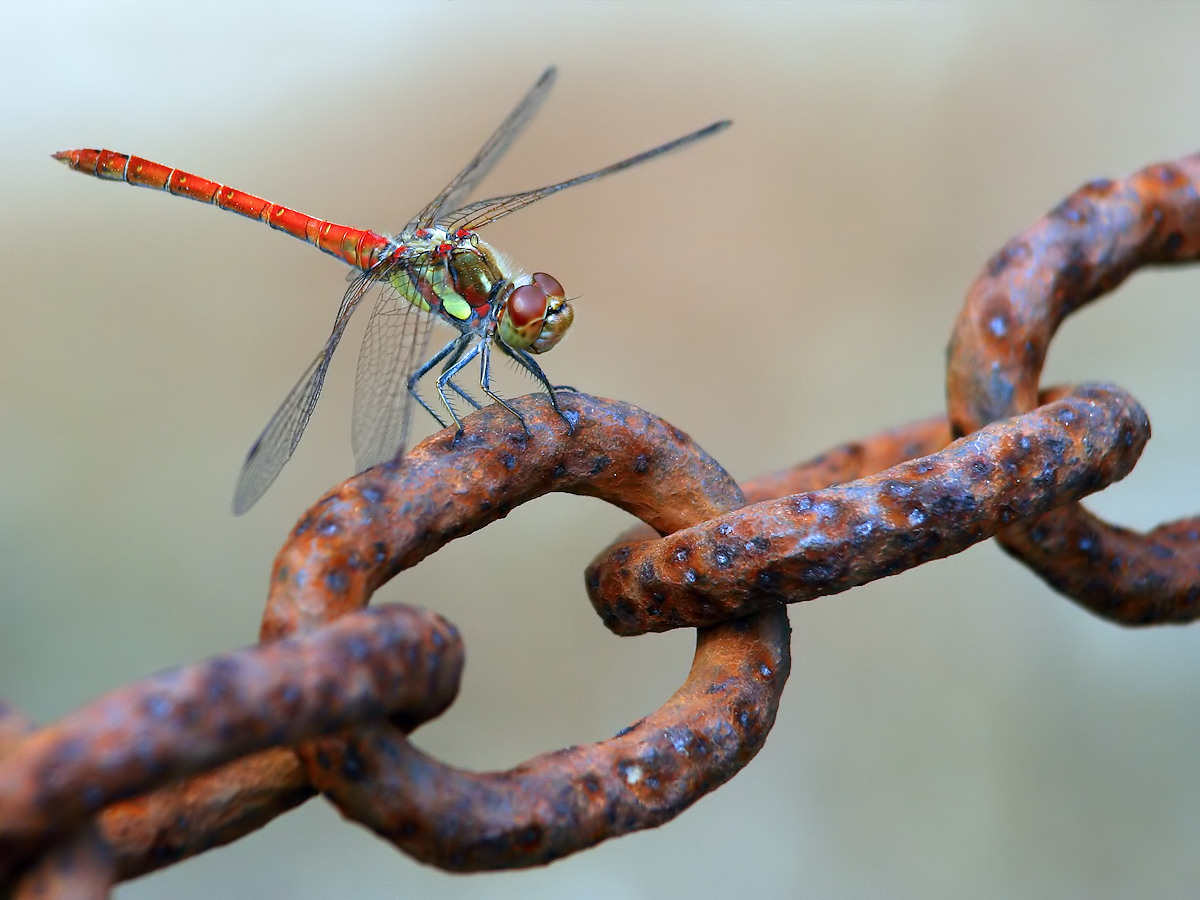
“Rusty” by Jimmy Hoffman
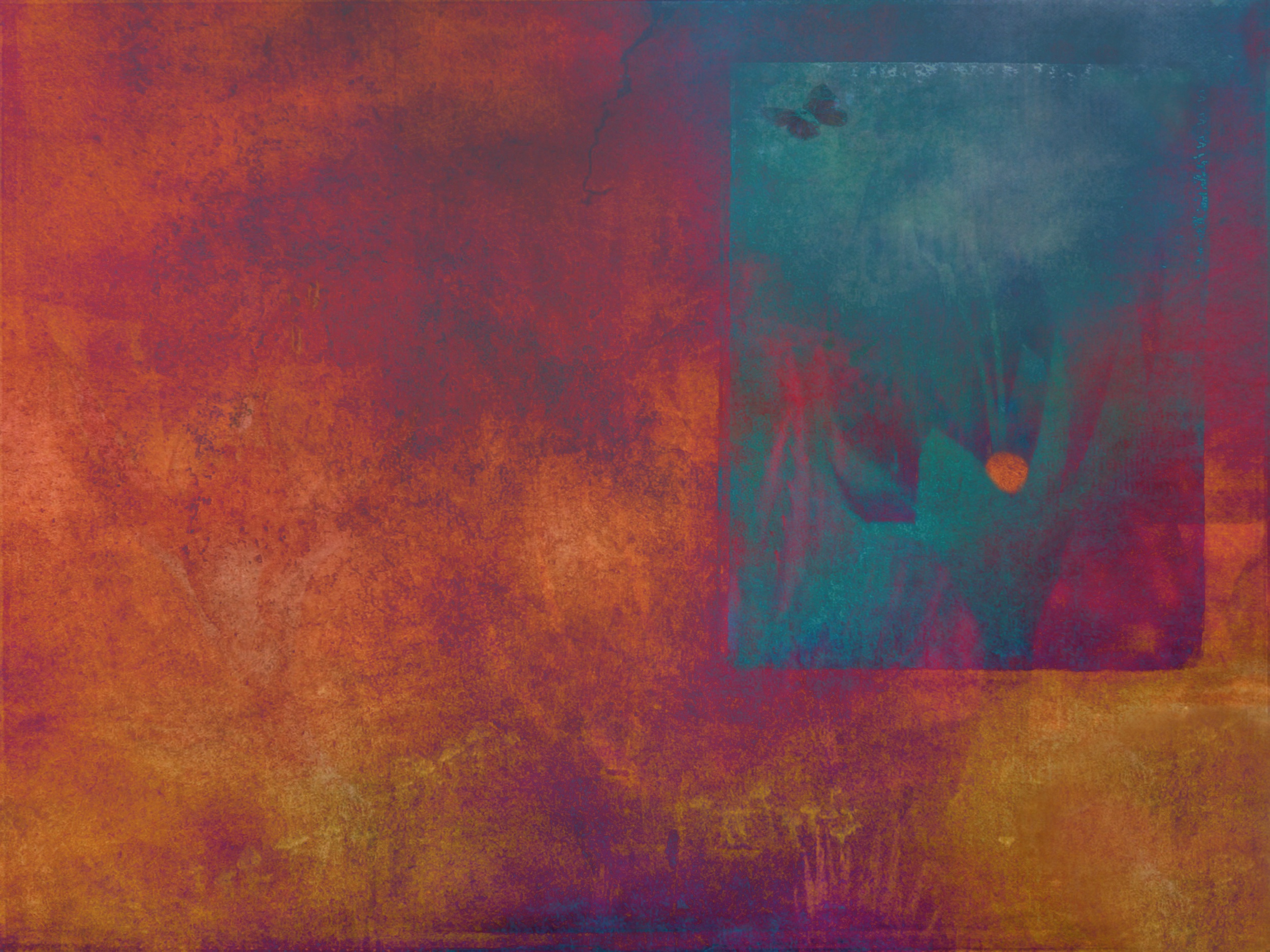
“Perception” by Delphine Devos
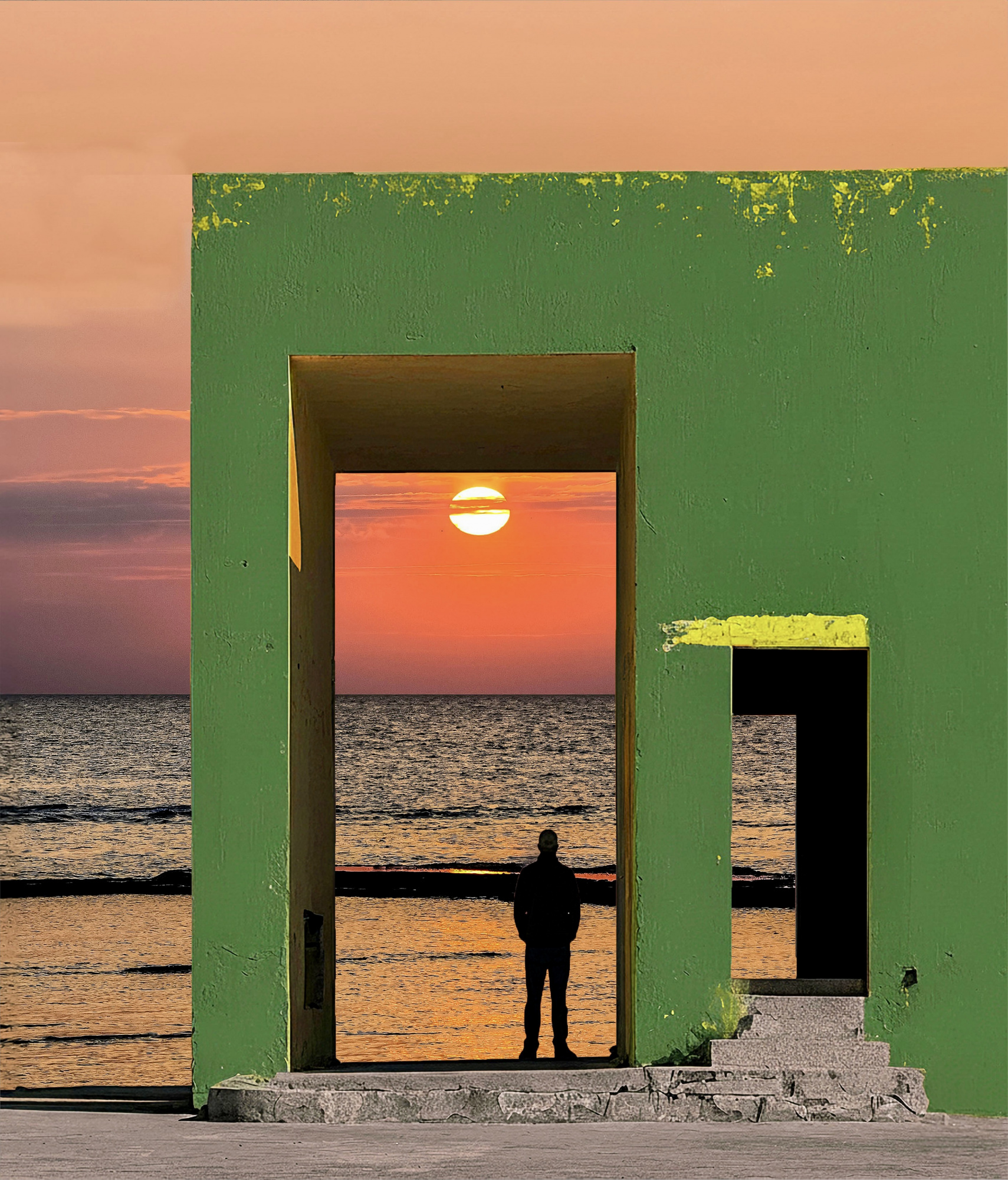
“Sunset-Acre” by Arnon Orbach
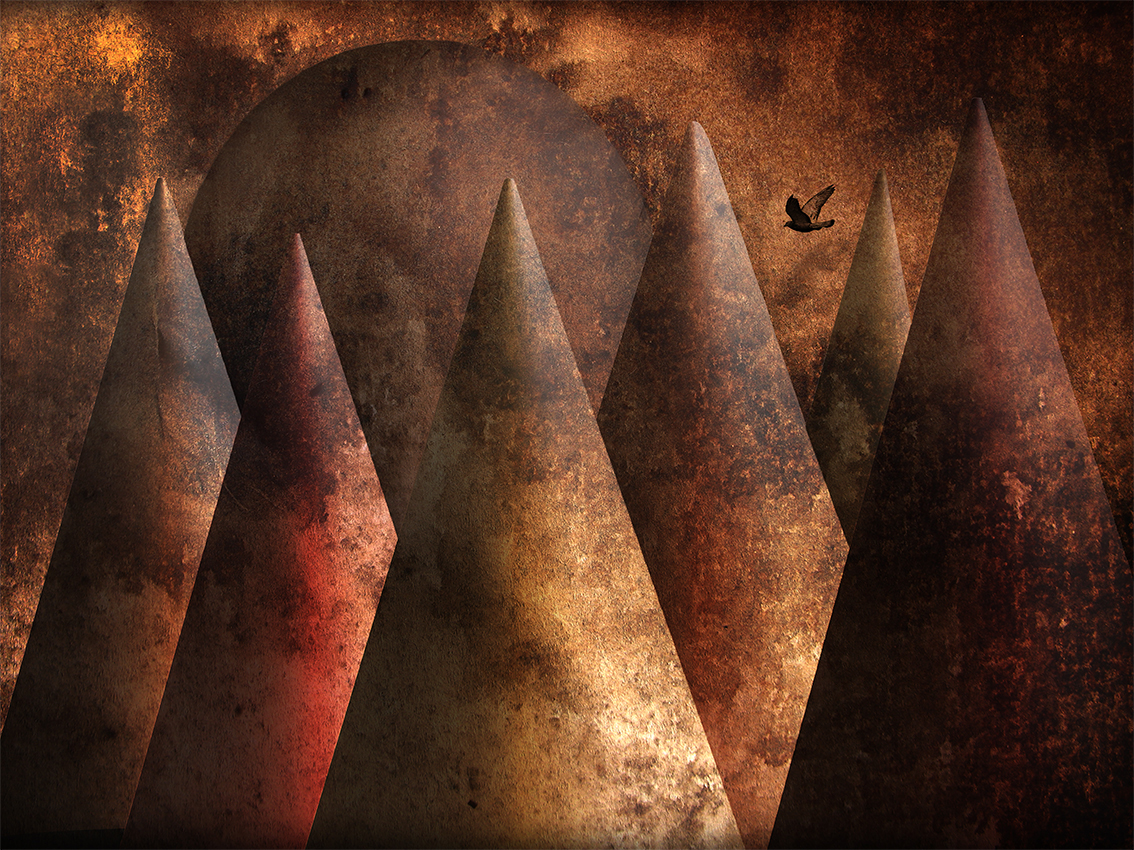
“lonely bird” by Jan Donckers
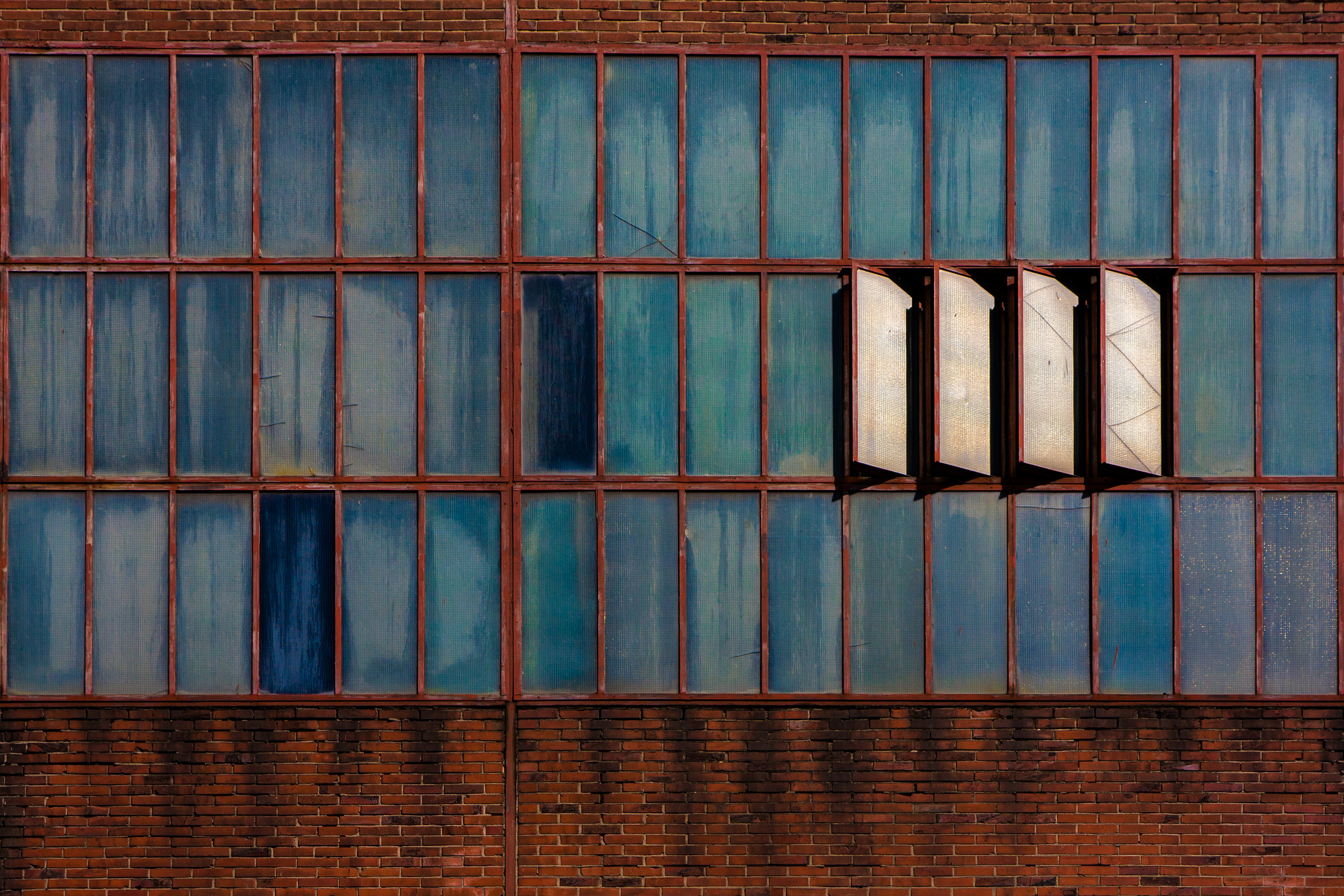
“windows” by Rolf Endermann
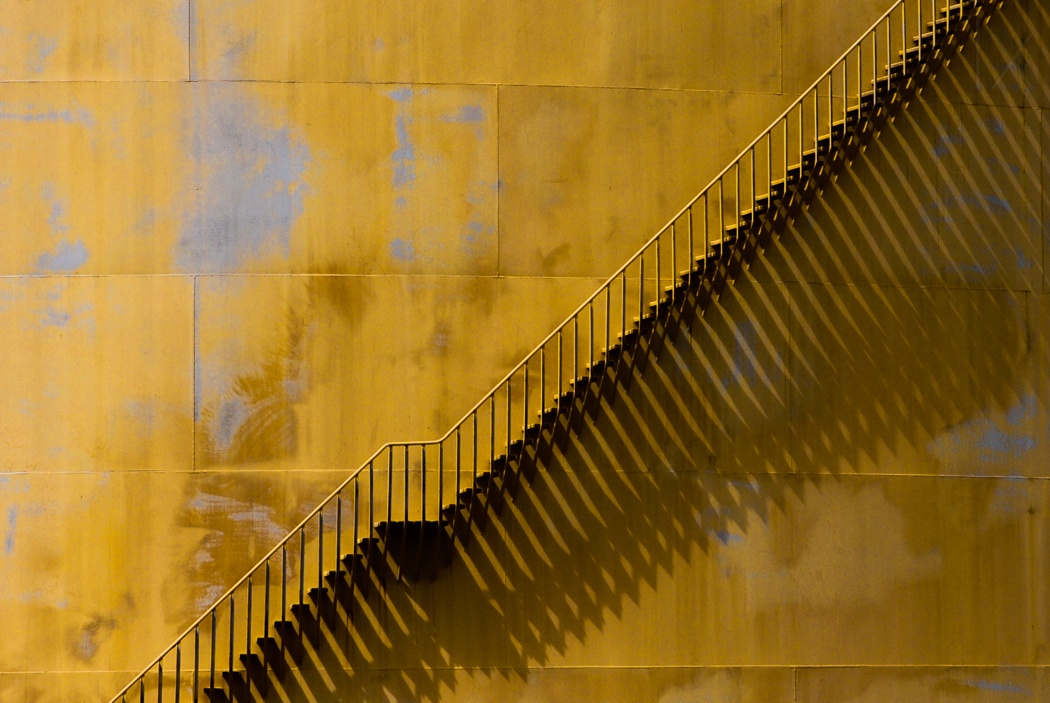
Untitled by basri-eli
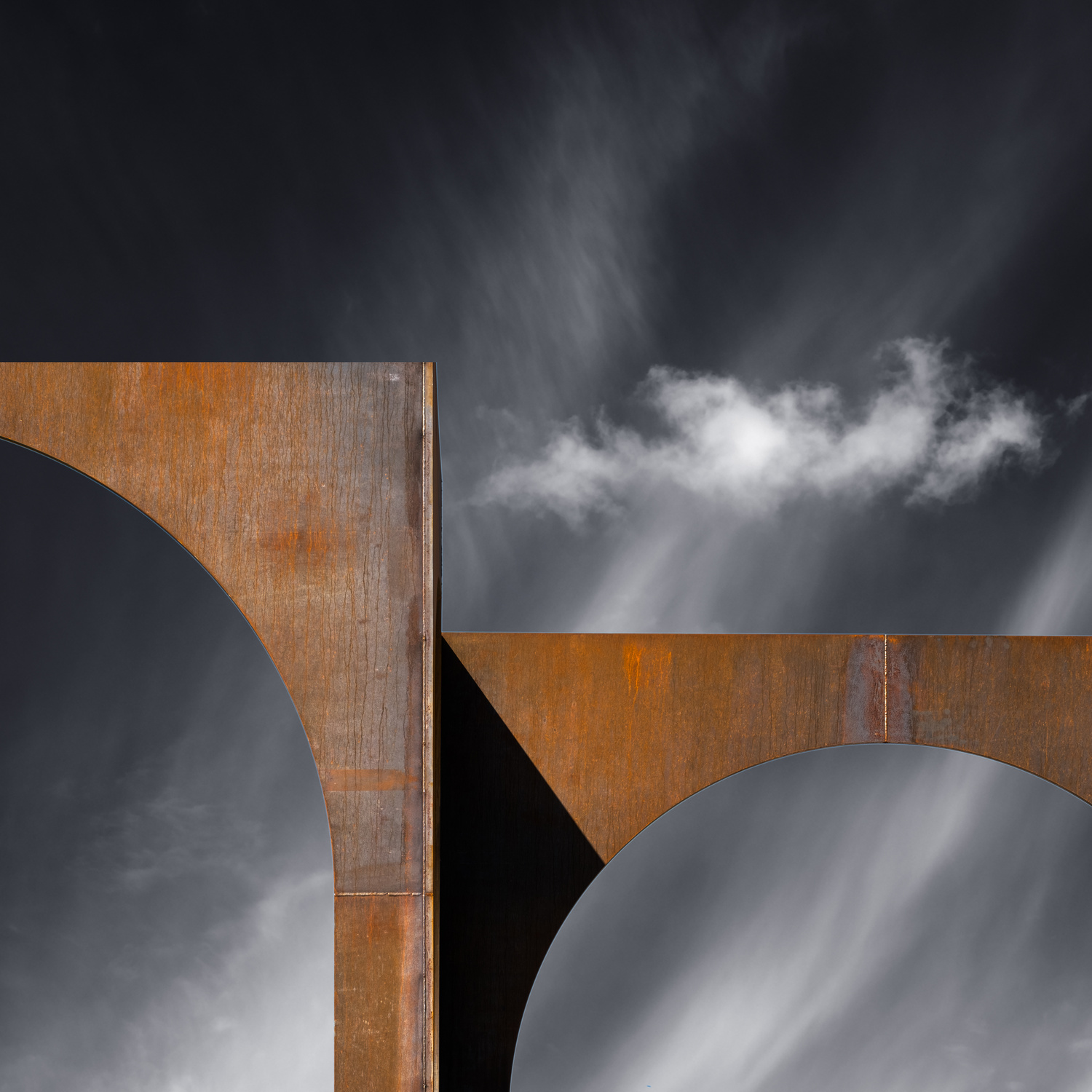
“..” by Harry Verschelden
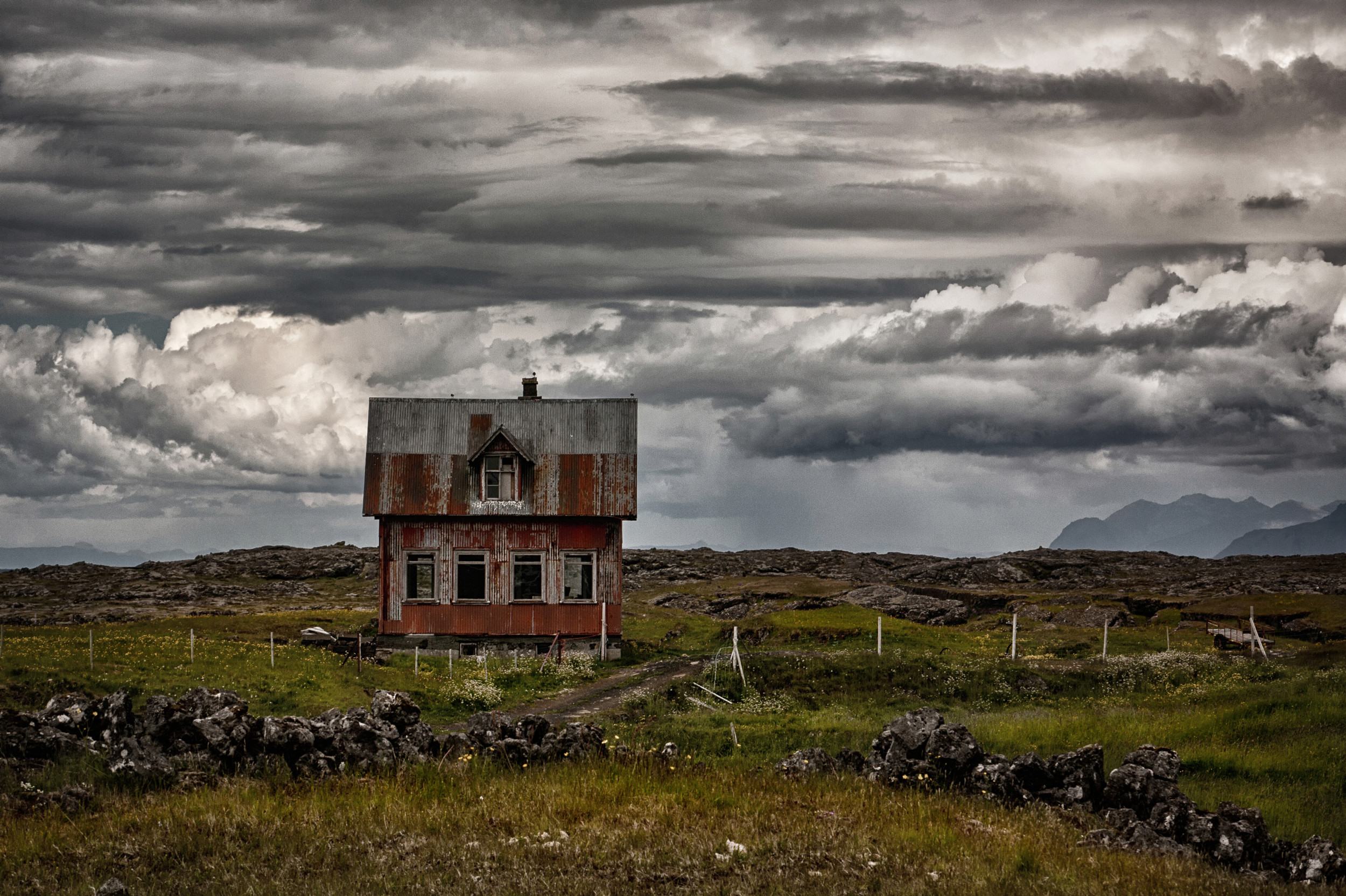
“Red and Rusty” by Þorsteinn H. Ingibergsson
Wabi-sabi is a Japanese aesthetic that celebrates imperfection, transience, and incompleteness. It honours the 'patina' that objects acquire over time, viewing age as a source of character rather than a defect. It celebrates asymmetry, roughness, rust, and dents; the results of age and decay.
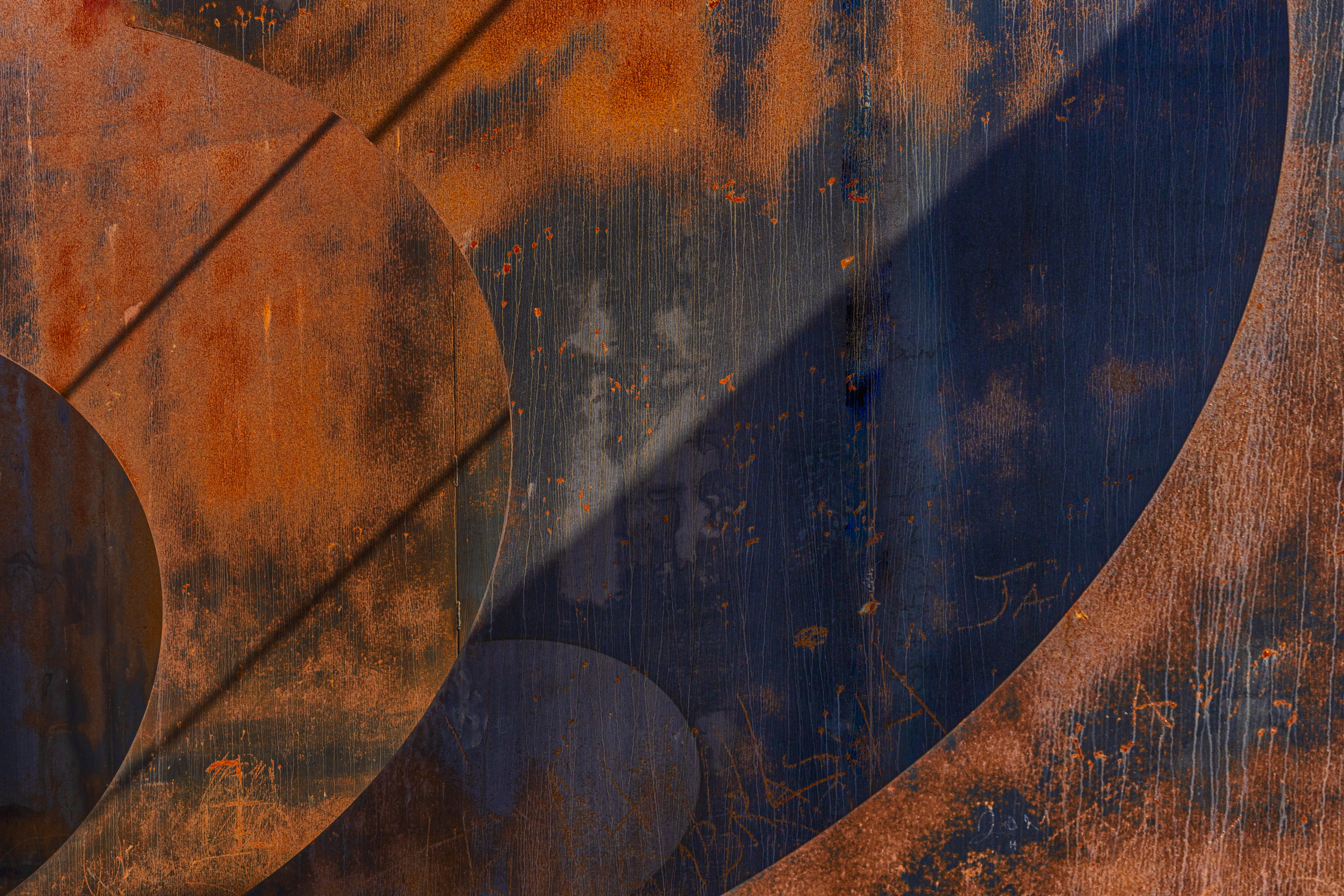
“Artistic rusty look” by Greetje Van Son
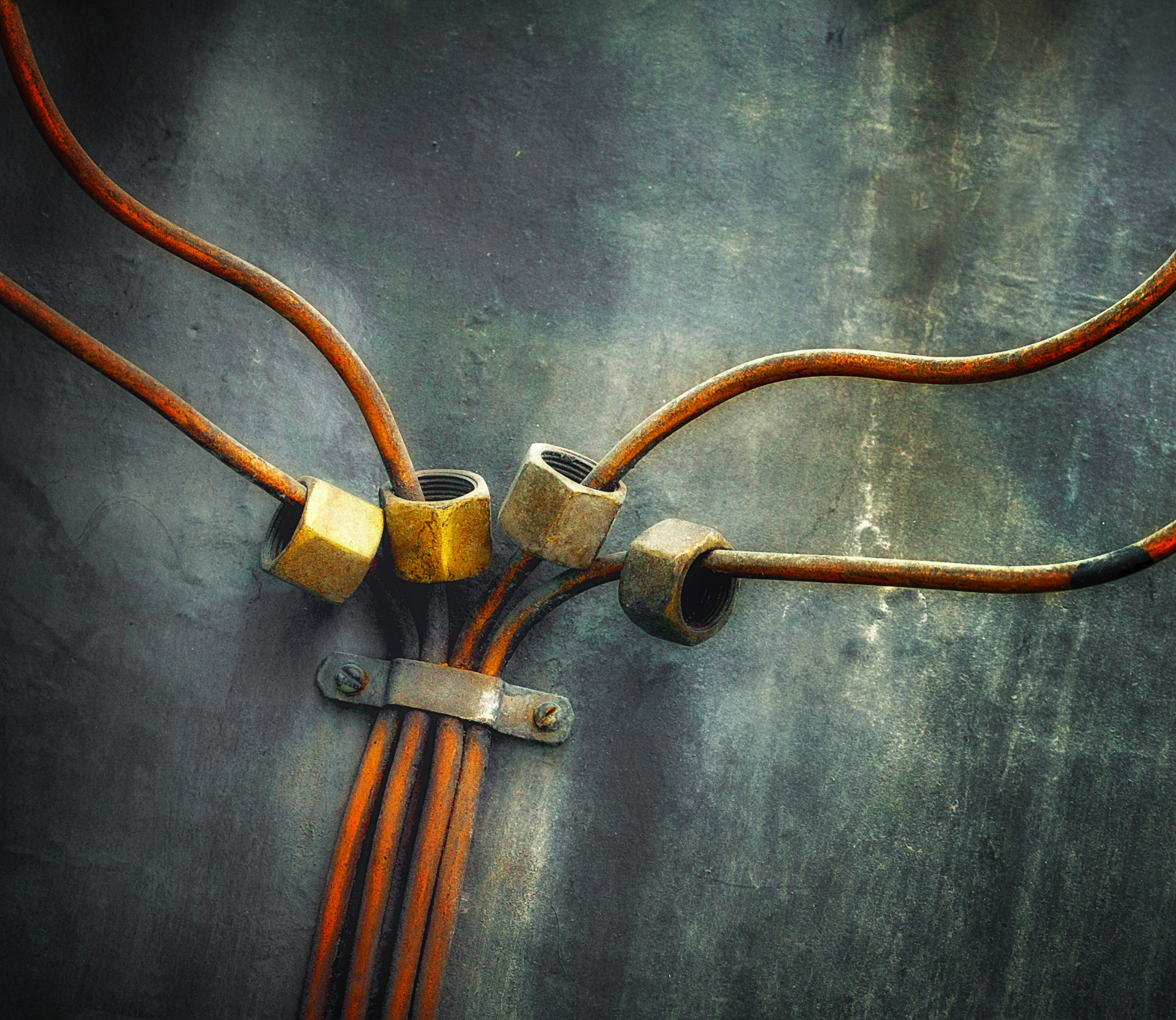
“bouquet of industry” by Holger Droste
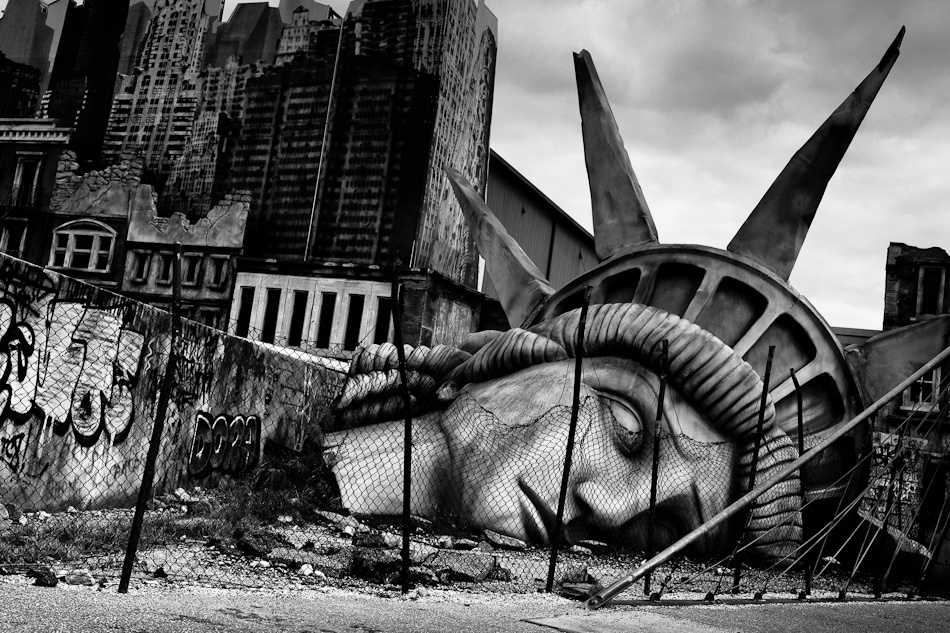
“Fall of Liberty” by Øyvind Gregersen
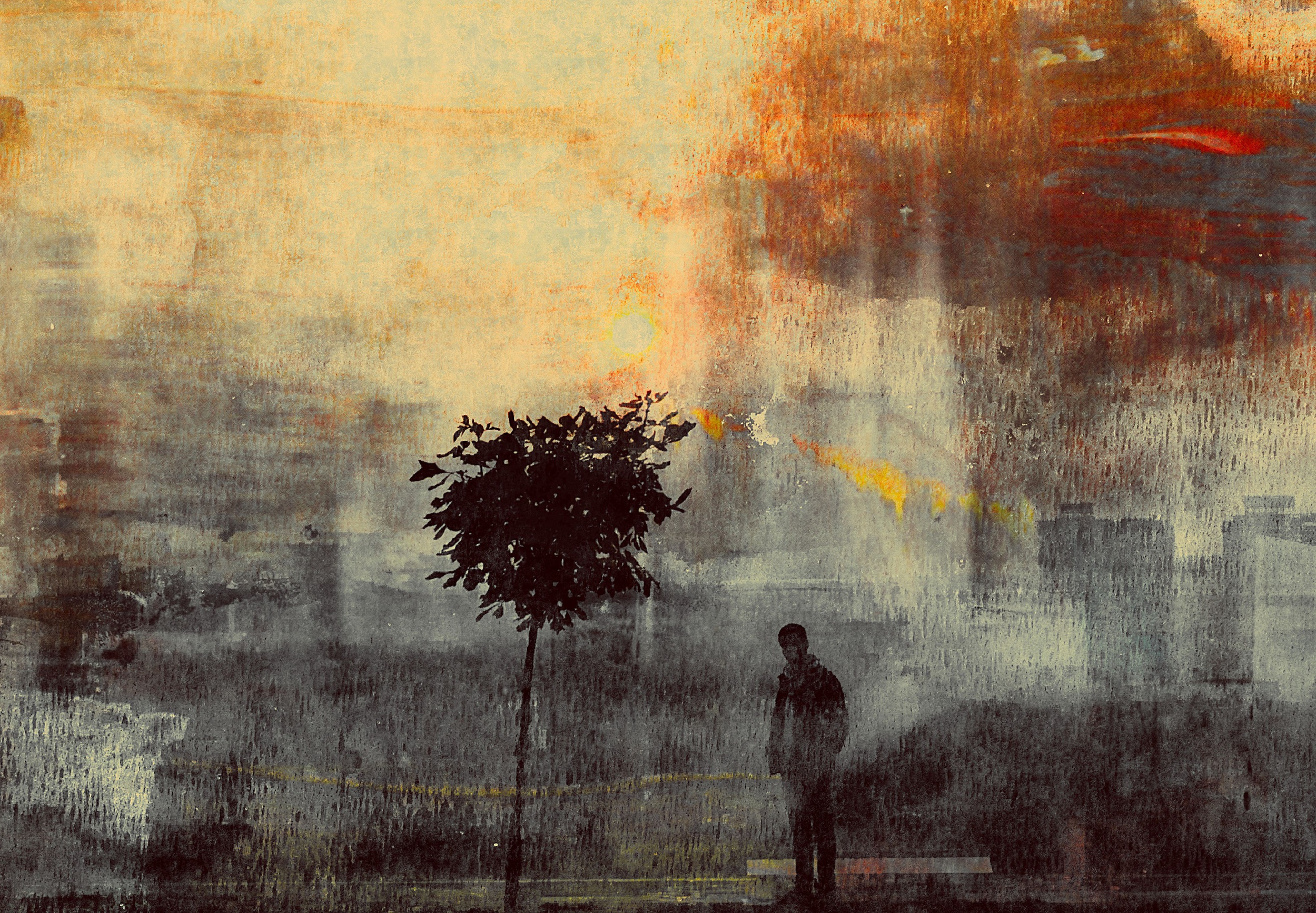
“one way (shadows)” by Dalibor Davidovic
Rust is not just a sign of decay; it is a testament to time. The accumulation of its flakes, colour variations, distortions, pits and bubbles is like a visual archive, with each mark shaped by air, moisture and exposure, quietly recording the passage of years.
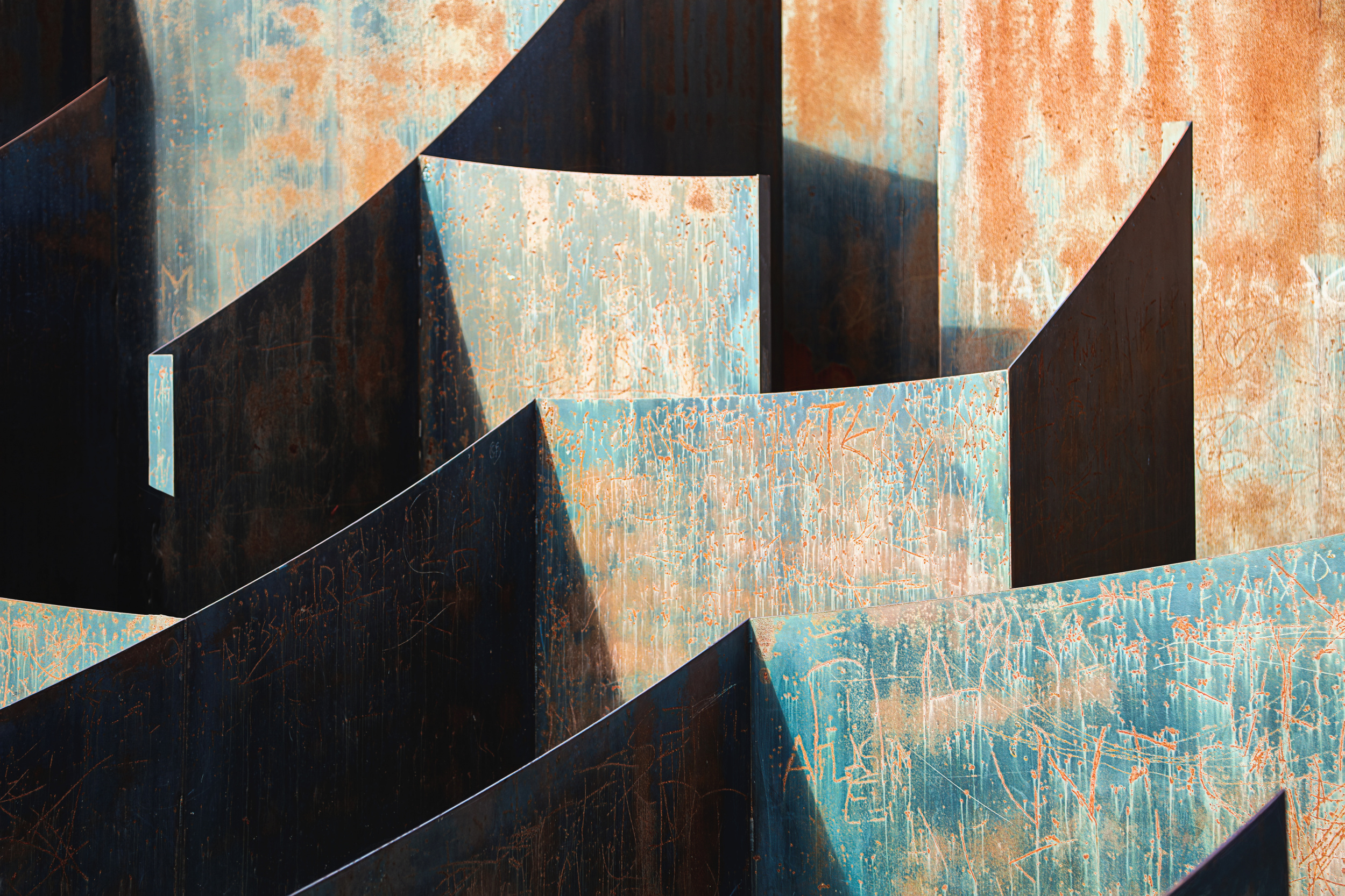
“Sharp shadows” by Bruno Flour
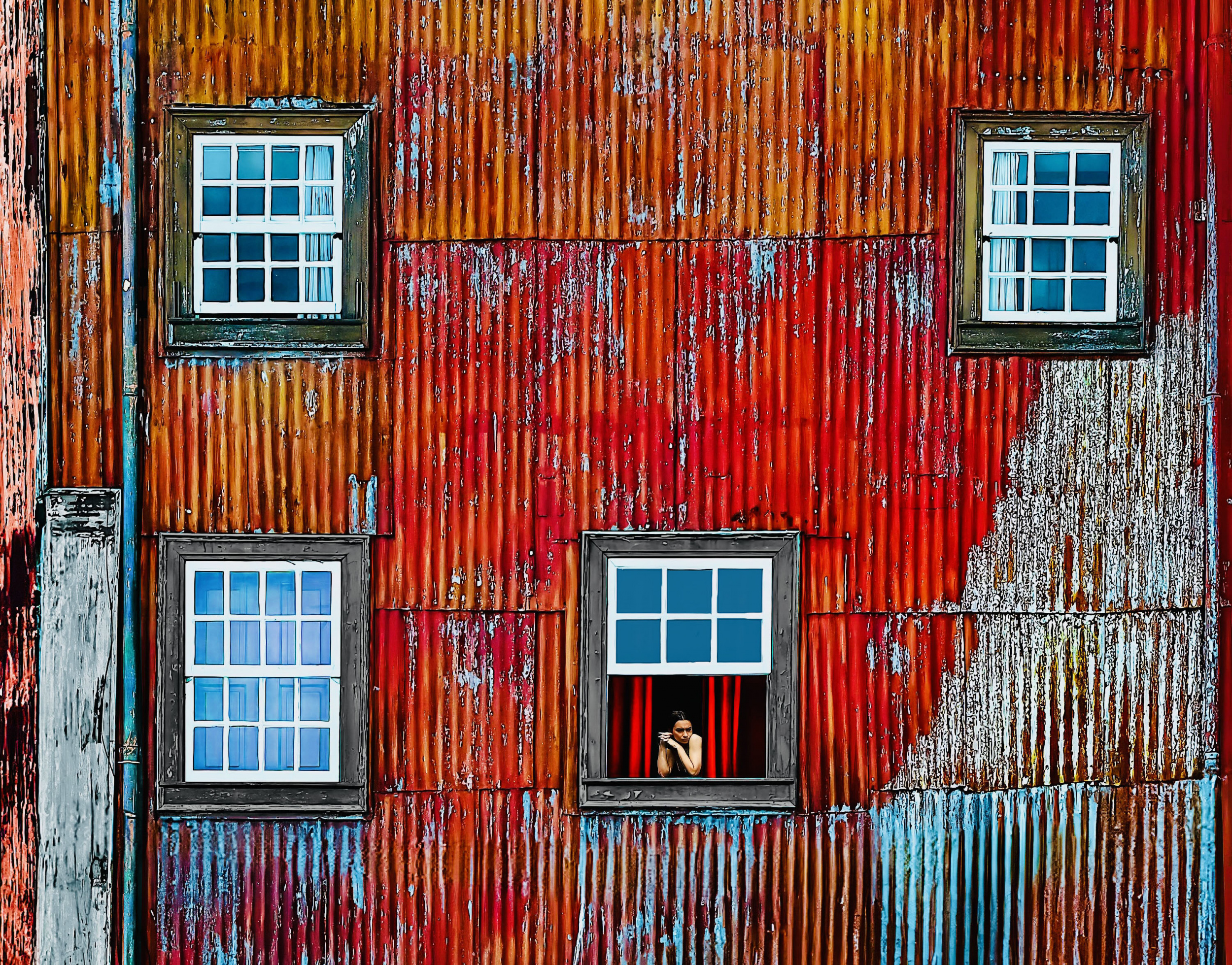
“Façade - Porto Portugal by Arnon Orbach
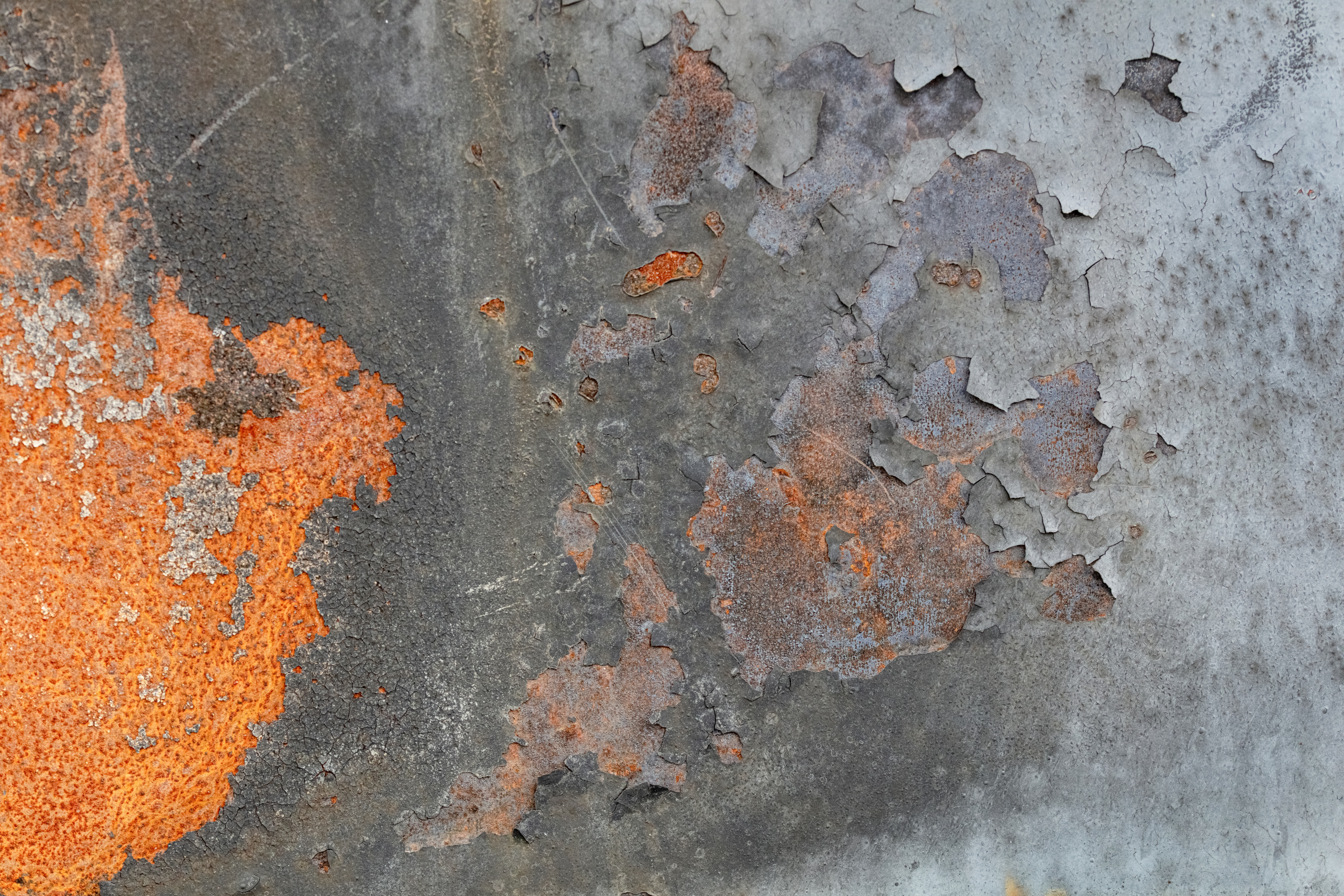
“Texture 04” by Pictufy Studio lll
The concept of decay carries with it a sense of time and meaning that can be translated into a contemporary language by photography. These images of rust and decay can be displayed in old and new interiors as original works of art.
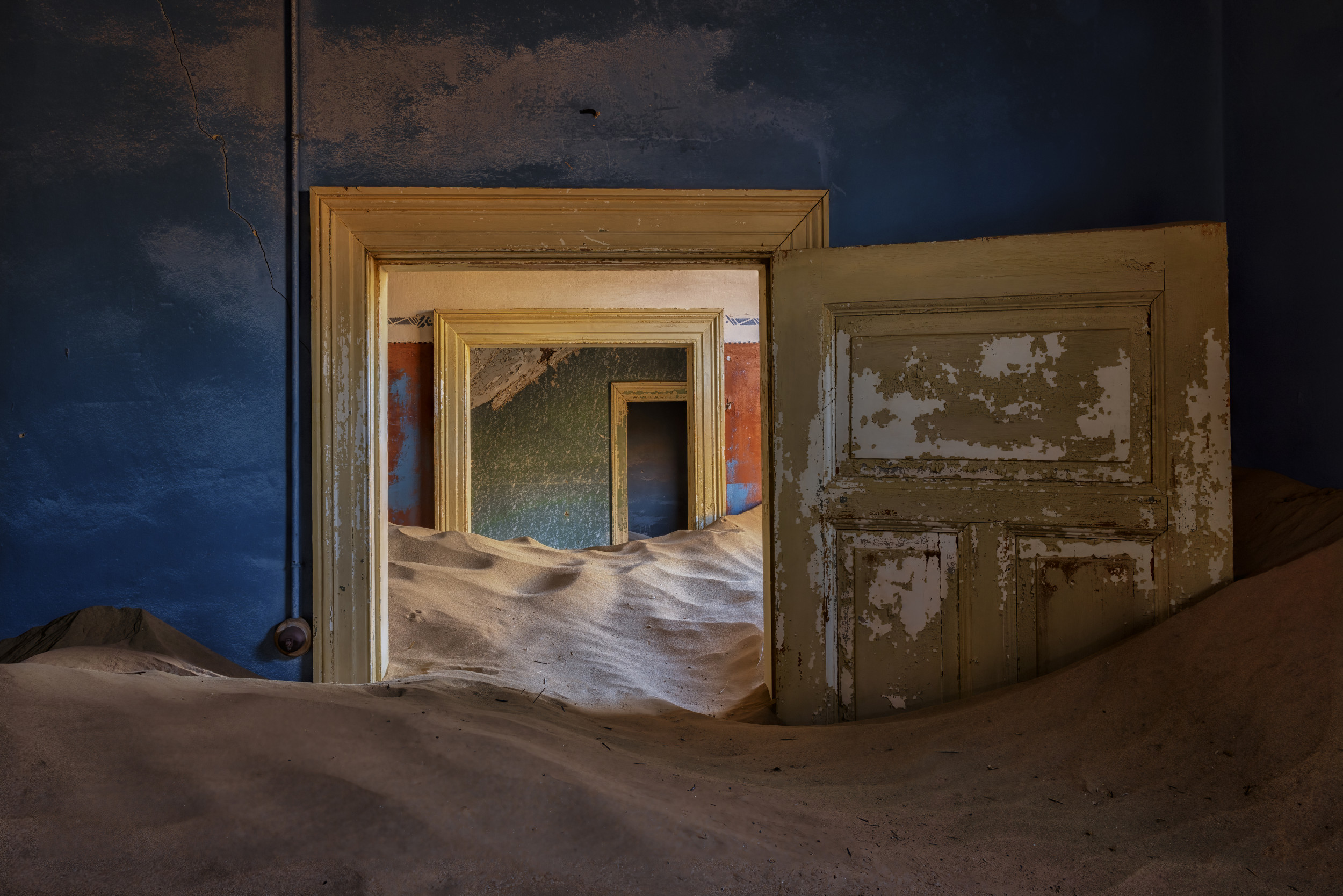
“Faded Glory” by Michael Zheng
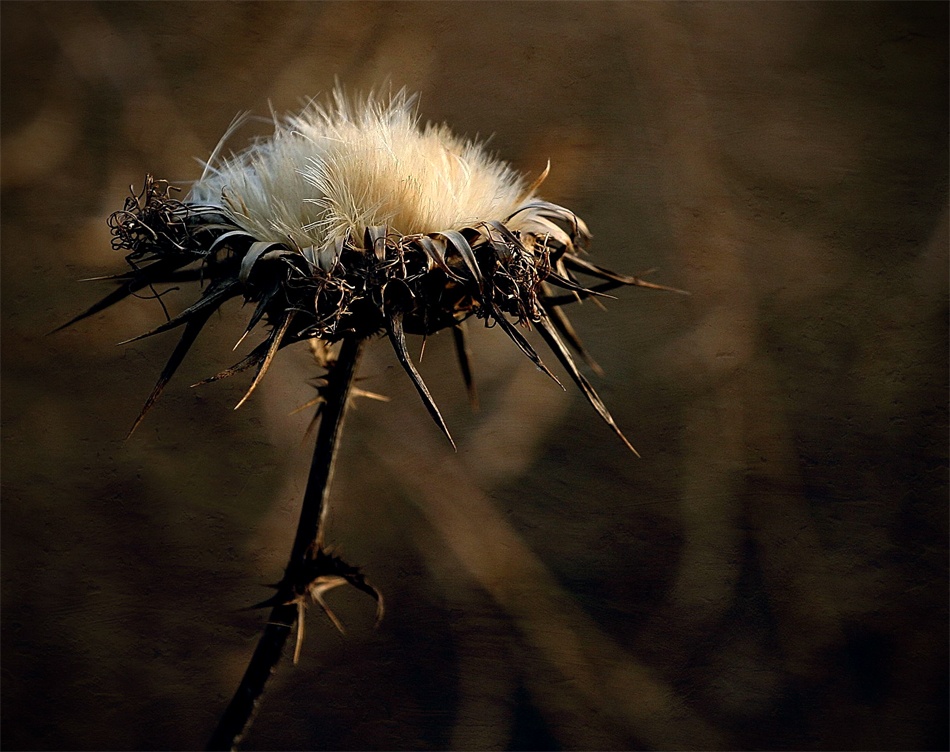
“Bad” by Barbara Orienti
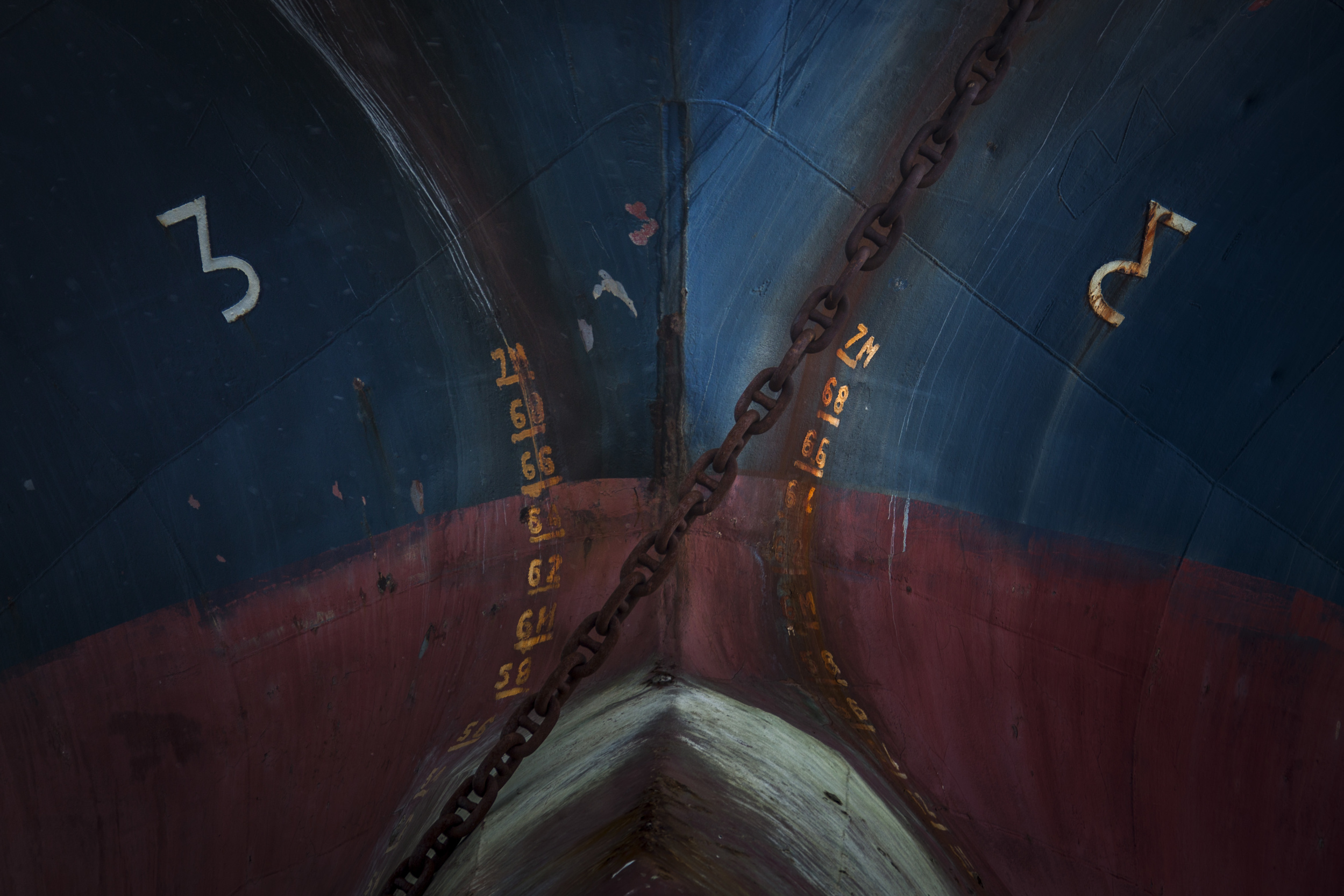
“3/3” by Ramiz Sahin
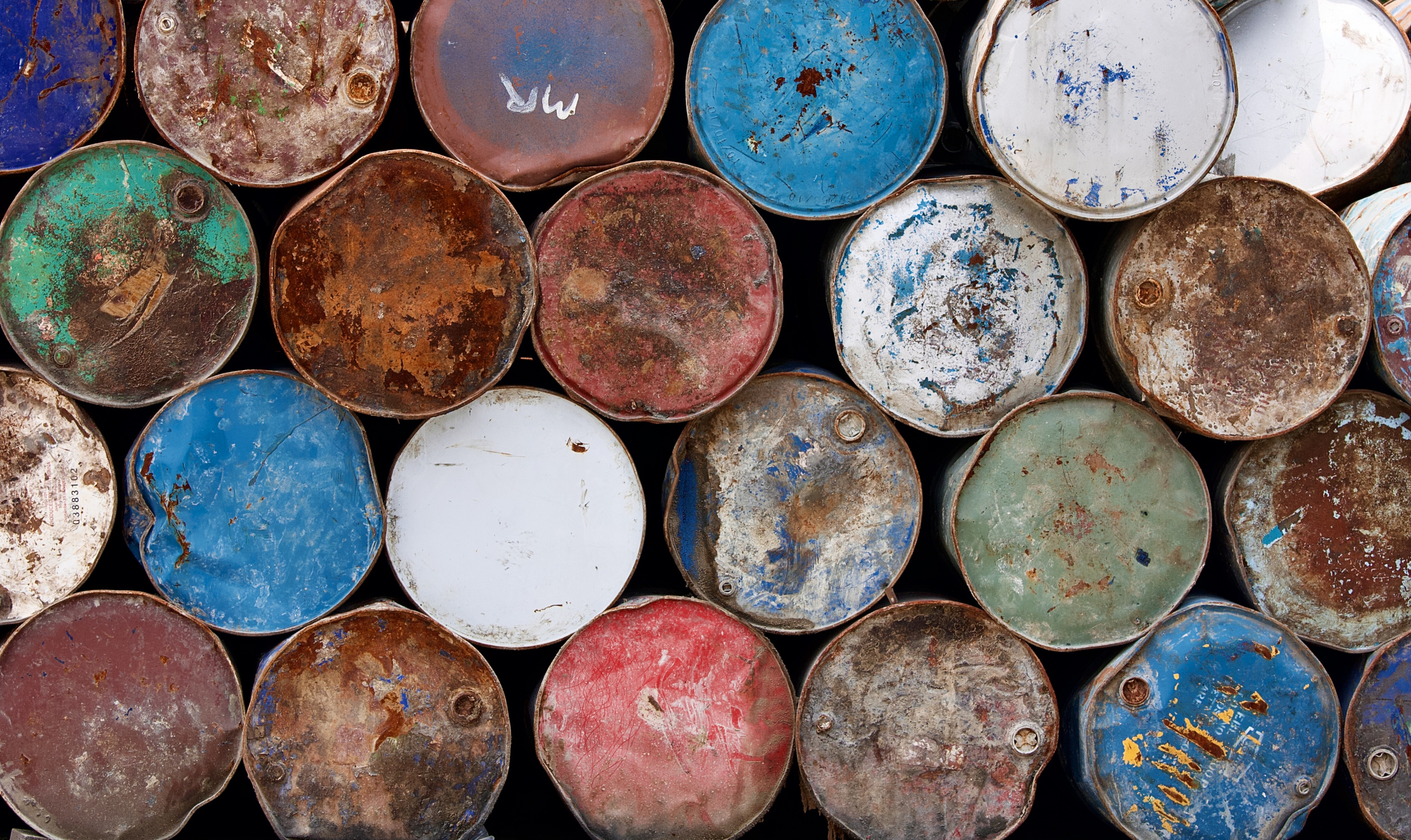
“Rusted” by Ugur Erkmen
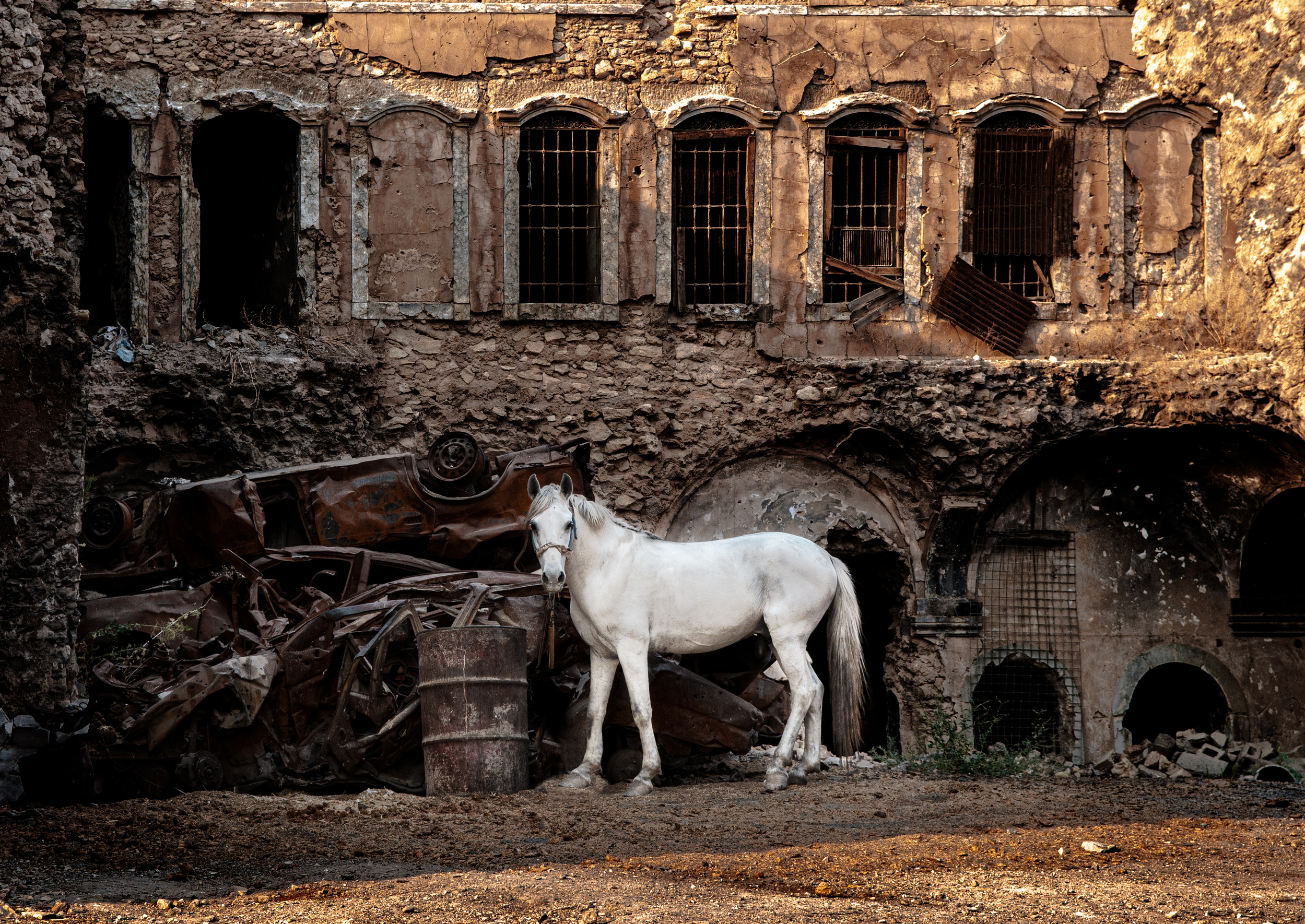
“White horse in a war zone” by Saad Salem
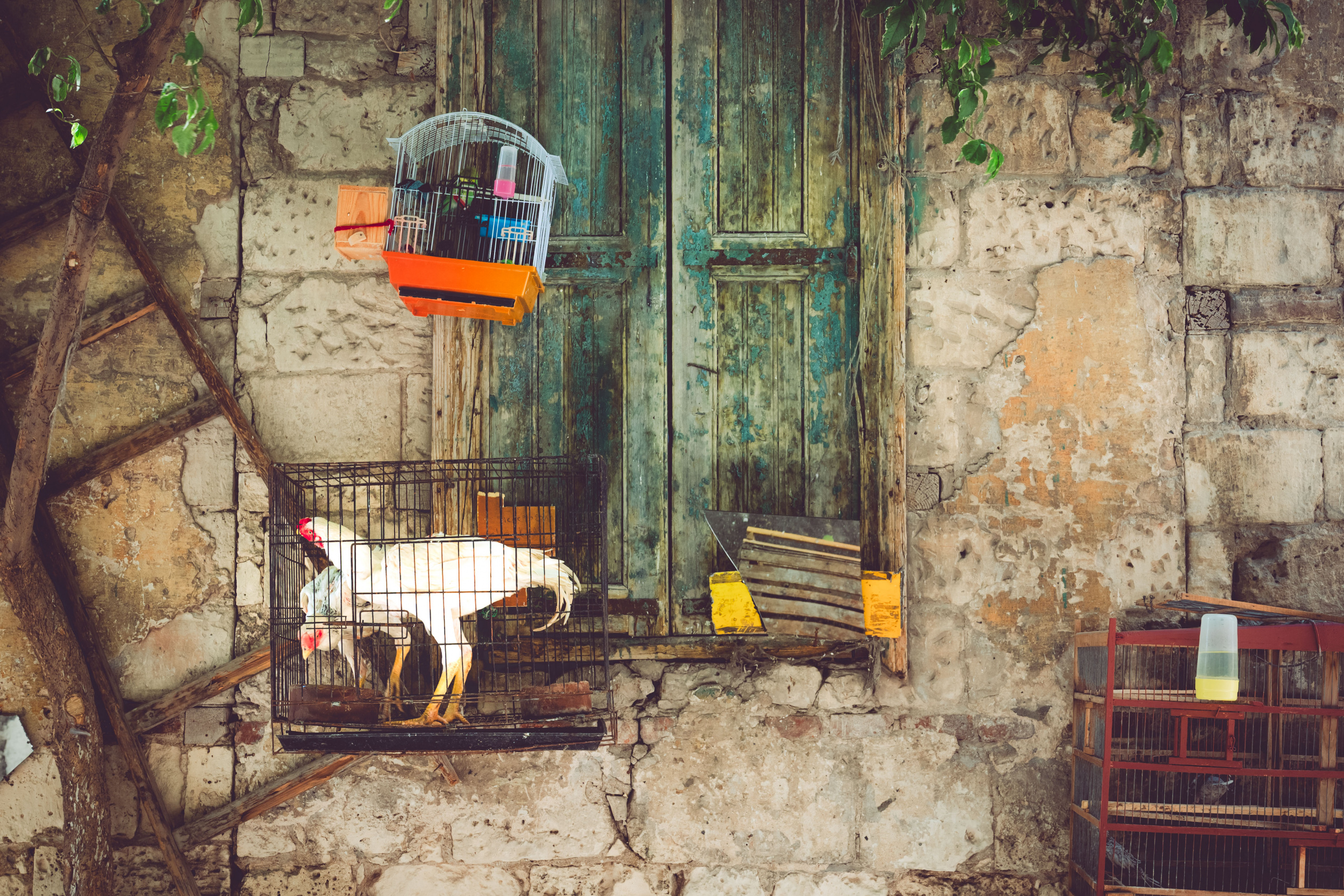
“Vintage II” by Asmaa ElTouny
Just as corroded metal reveals the history of its environment, the ageing human face reveals a life lived over time, marked not by loss, but by accumulation, wisdom, and, hopefully, love.
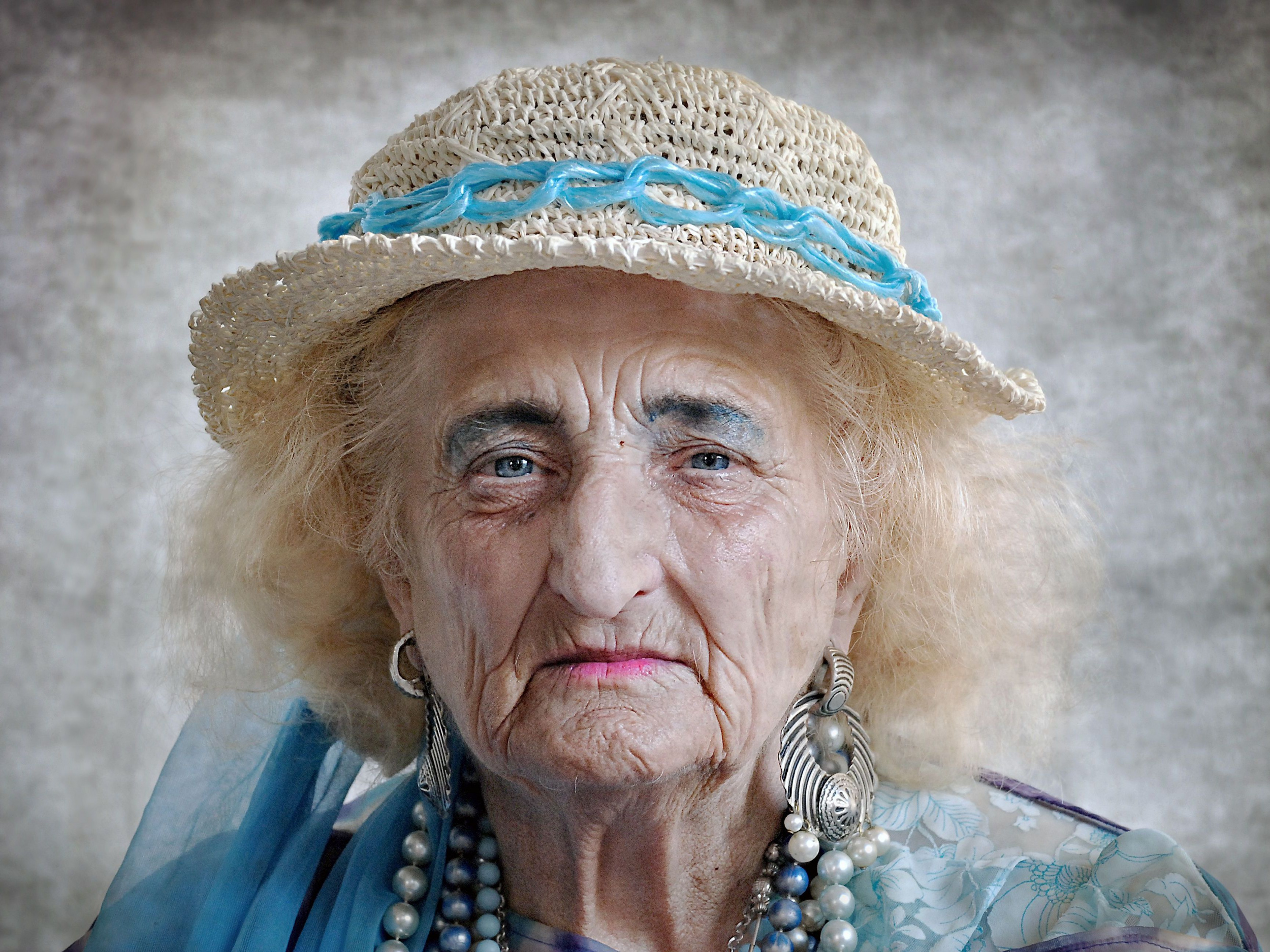
“white age. madam W” by Nicoleta Gabor
“I am against nature. I don't dig nature at all. I think nature is very unnatural.
I think the truly natural things are dreams, which nature can't touch with decay.”
~Bob Dylan~
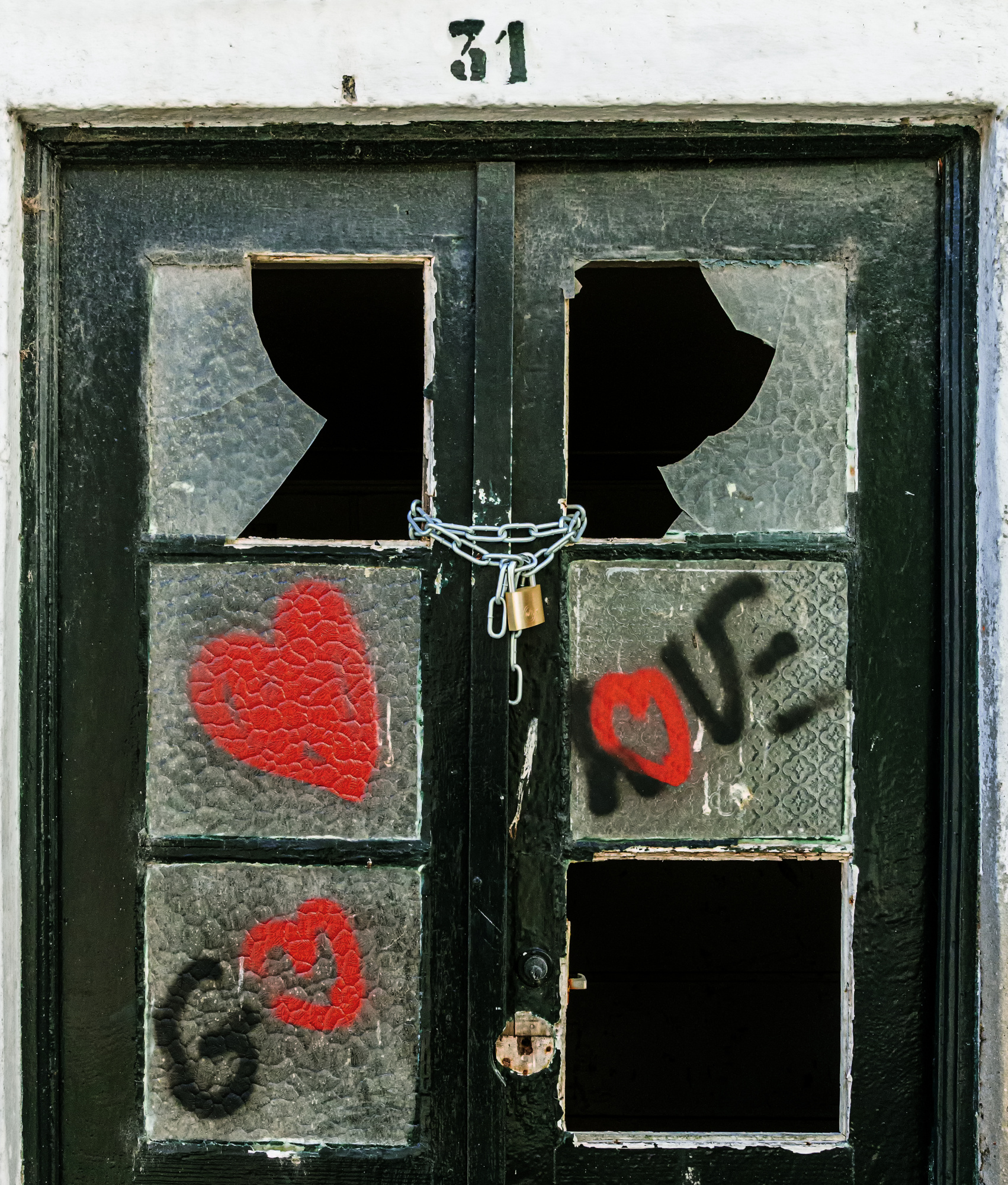
“31” by Filipe P Neto
 | Write |
 | carlo borgatelli PRO bellissime foto molto varie ma tutte magnifiche |
 | Izabella Végh PRO Bellissimo articolo. Le fotografie allegate sono straordinari. grazie. |
 | Francisco Villalpando PRO Wonderful collection of images about a fascinating subject. Thanks Yvette and Jane! |
 | Jane Lyons CREW Thank you, Francisco! |
 | Miro Susta CREW Dear Jane, you have chosen a very interesting photography topic and illustrated it with wonderful pictures that focus on the emotional beauty of neglected, abandoned, or decaying natural and inanimate subjects. Thank you very much for this outstanding work, and thank you as well, dear Yvette, for publishing it. |
| Jane Lyons CREW Thanks so much Miro for checking in! |
 | Þorsteinn H. Ingibergsson PRO Thanks for a very good article about the concept of "Decay" it has been a great interest of mine in photography to take pictures of old and abandoned things, such as abandoned farms, boats, ships, cars and all kinds of machinery and equipment. There is something fascinating about these things, often badly damaged, weathered and rusty, but also telling such a great story. Thanks to Jane and Yvette for publishing a picture from me and also mentioning my name in the article, it is a great honor for me. |
| Jane Lyons CREW Porsteinn, thanks for your work and thanks for checking in here! |
 | Yvette Depaepe CREW So well deserved … your the master of the concept of decay ;-) |
 | Dazhi Cen PRO Mind set training !! |
| Jane Lyons CREW Thank you Dash |
 | Asmaa ElTouny PRO
Thank you Jane and Yvette for the great article, selection and feature.
|
| Jane Lyons CREW Thank you, Asmaa |
| | Asmaa ElTouny PRO Honored to be featured in this thoughtful selection.
In “Vintage II,” I was drawn to how decay quietly reflects layers of place and presence, as time leaves traces within everyday spaces. |
 | JA Ruiz Rivas PRO ¡ Excelente y pedagógico articulo !. Espero que sigais ofreciendonos muchos más. |
| Jane Lyons CREW Muchas Gracias, JA |
 | Angelika Vogel PRO What a fascinating Portfolio! Congratulations to all of the great artists! |
 | Wayne Pearson PRO Stunning work by everyone, congratulations! Thank you too Jayne and Yvette! |
| Jane Lyons CREW Thanks for checking in, Wayne! |
 | Heike Willers PRO Thank you so much for sharing this wonderful collection of artwork in your article. I found some "never seen before" images which I added to my favorites . |
| Jane Lyons CREW Heike, thank you for your comment! |
 | Eiji Yamamoto PRO Dear Jane, thank you so much for this interesting and wonderful article with the ephemeral and beautiful photos! Dear Yvette, thank you so much as always! |
| Jane Lyons CREW As always, thank you for checking in, Eiji! |
 | Caroline Bomers A wonderful collection of images and article. Thanks for sharing Jane and Yvette! |
| Jane Lyons CREW Thank you for your comments Caroline! |
 | Jimmy Hoffman PRO Wonderful images and article!Thanks. |
| Jane Lyons CREW Thanks for checking in, Jimmy! |
 | Ugur Erkmen PRO Thank you Jane and Yvette for the great article and selection. |
| Jane Lyons CREW Ugur, thank you for your comment! |
 | Yi Pan PRO A great collection of photos! Aging is life, rich, and beautiful! |
| Jane Lyons CREW Thanks for your comment, Yi! |
 | Ralf Stelander FOUNDER Thanks Jane, great selections! |
| Jane Lyons CREW Thanks for taking the time to comment, Ralf! |
 | Shenshen Dou PRO A truly excellent article—rich in philosophical depth and refined aesthetic sensibility! I greatly admire the outstanding works showcased within it. Thanks Jane, thanks Yvette! |
| Yvette Depaepe CREW And thanks to you for your everlasting appreciation, dear Shenshen. |
| Jane Lyons CREW Thanks for commenting, Shenshen! |
 | Sailendra Nath Samaddar PRO Wonderful collection of images. Great appreciation for sharing |
| Jane Lyons CREW Thanks so much for commenting, Sailendra. |
 | Linda Lu PRO What a beautiful collection of pictures! Congratulations! |
| Jane Lyons CREW Linda, thank you for commenting! |
 | Hans-Wolfgang Hawerkamp PRO thanks a lot for this much remarkable article. This brings many photographic treasures back to life. My greatest appreciation to Jane and Yvette for their work and cool idea and result |
| Yvette Depaepe CREW We're a fantastic team, Hans-Wolfgang ;-) |
| Jane Lyons CREW Thanks for your comment, Hans-Wolfgang! |
 | Greetje van Son PRO What a lovely series Jane. Thanks a lot for choosing one of my picture for this publication. Thanks to Yvette for publishing. |
| Yvette Depaepe CREW our pleasure, Greetje ;-) |