


|
|
|
|
by Editor Lourens Durand
Edited and published by Yvette Depaepe, the 19th of December 2025

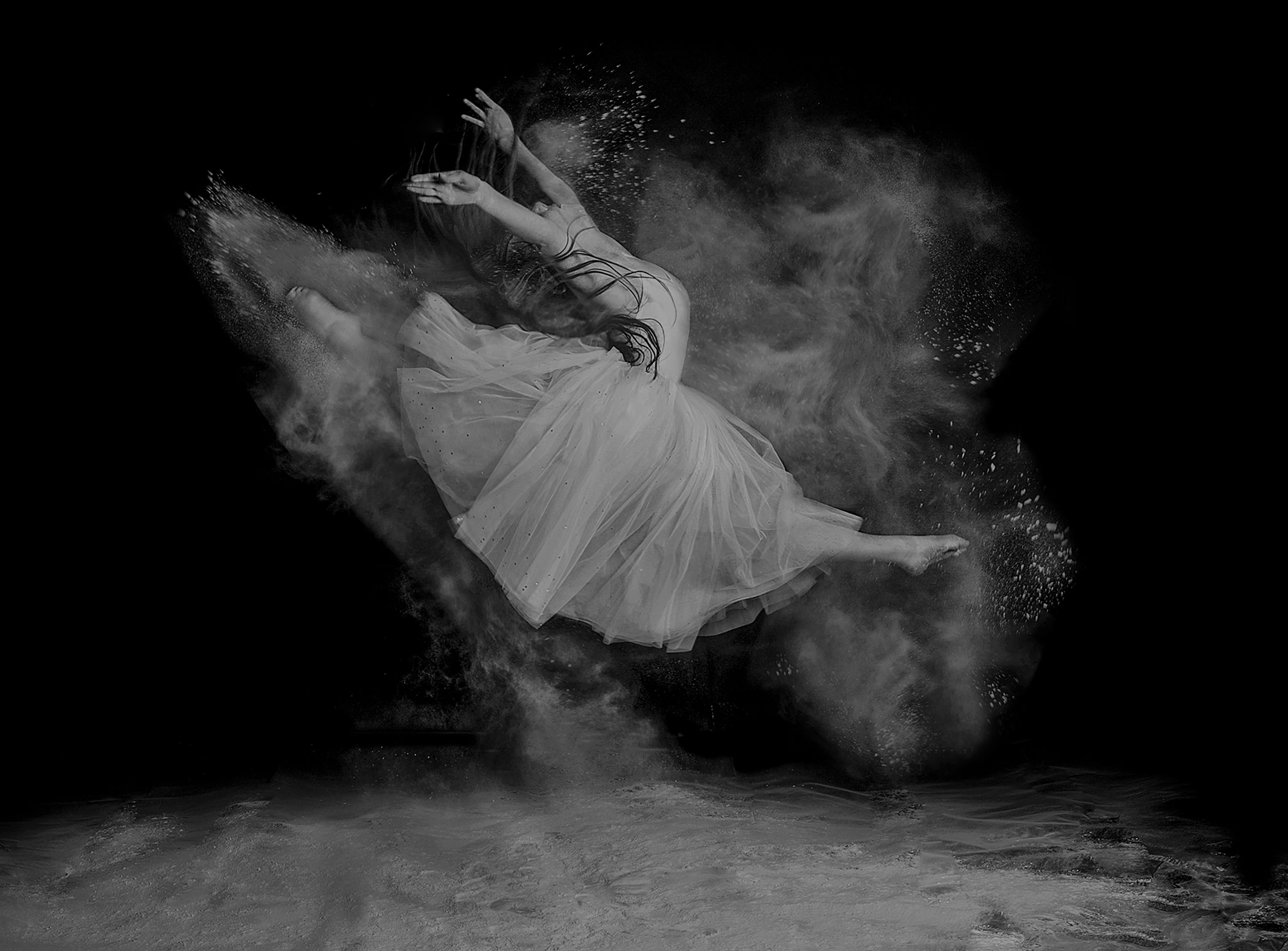
‘The color of my music’ by Lisdiyanto Suhardjo
One of the most challenging things to capture in a single image is energy. It involves using light, emotion, movement, dynamics, depth, colour and excitement in one space to create a powerful photograph.
Fortunately, there are many tricks we can use to help us achieve this goal.
Here are some of them:
MOVEMENT
In art, movement does not only refer to a moving subject, but also implies the movement of the viewer’s eyes when looking at the picture. The viewer's eyes move from the leading lines and converging lines to the shapes, balance, light and shade, before settling on the subject and wondering where it is moving to, or if it is moving at all.
The actual movement of a subject in a photograph can be implied by:
· Portraying athletes as they are about to pounce into action, showing their stances, as well as their hands, feet and arms.
· Panning with the subject to make it appear stationary against a blurred background.
· Not panning: creating a static foreground or background with a blurred, moving subject.
· Using a slow shutter speed to create a blurred effect.
· When photographing moving subjects, such as cars at a racetrack or animals in the wild, the background can often be distracting. In these cases, it may be helpful to select a suitable background and set up your camera here, focusing on a small area. Wait for the action to come into the frame before shooting.
DIAGONALS AND LEADING LINES
Diagonals can be used to capture drama. For example, in the well-known photograph of men raising the flagpole, the men and the flagpole are positioned diagonally to convey the drama of the occasion.
Converging diagonal lines, on the other hand, create a sense of depth.
Leading lines can also draw the viewer's attention towards an anticipated scene of action.
HORIZON LINES
While it is generally accepted that the horizon line should be straight and aligned with one of the thirds lines, placing it high or low can create a sense of drama.
NEGATIVE SPACE
In wildlife photography, for example, leaving space for the subject to move into can imply a sense of movement or space. Even in some portraits, if the subject appears to be looking at something outside the frame, leave some space for them to look through. In any case, never position a subject facing directly towards a border.
CREATING DEPTH
How can you create the illusion of depth in a photograph presented on a flat surface?
We have already explored some of the techniques, but let's review the tricks that can be employed.
· Use framing to create more than one plane.
· Remember that the space between objects (such as lamp poles or a row of trees) diminishes with distance, as does their size, so include these where you can.
· Converging lines, such as roads, railway tracks and staircases, are an effective way of creating a sense of depth and leading lines.
· Use colour perspective. It is a well-known phenomenon that warm colours (such as red) appear to come towards the viewer, while cooler colours (such as green and blue) appear to recede. For example, a red boat on a lake appears closer to the viewer than a blue boat.
· Of course, a shallow depth of field (bokeh) is also useful for creating depth.
CAPTURE THE MOMENT
Try capturing the moment immediately before an action, for example just before a discus leaves an athlete’s hand.
INDICATIONS OF ELECTRICITY
Other indicators can be used, such as haloes (which are made on purpose), pictures of electricity itself (e.g. generation, power stations and lightning) are all OK.
Although all of these tricks help to create impact, it is important to stress that they are only tools. It is up to the photographer to use them in unique ways and harness them to express the illusion of energy. Photographers need to see, feel and experience the force of energy while taking a photo, which will make viewers feel it too.
Please enjoy the selection of energetic photographs from 1X photographers.
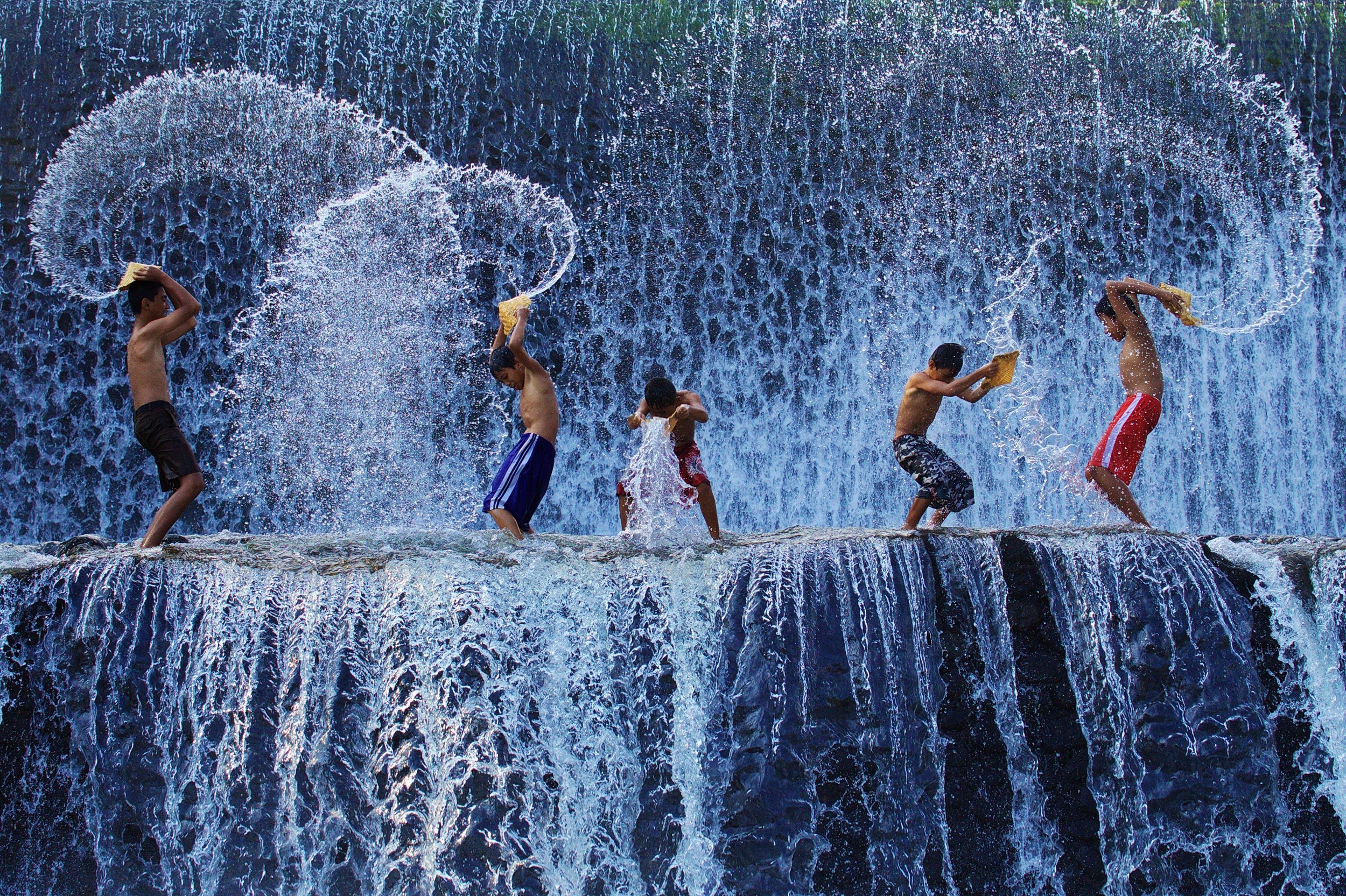
‘Playing with splash’ by Angela Muliani Hartojo
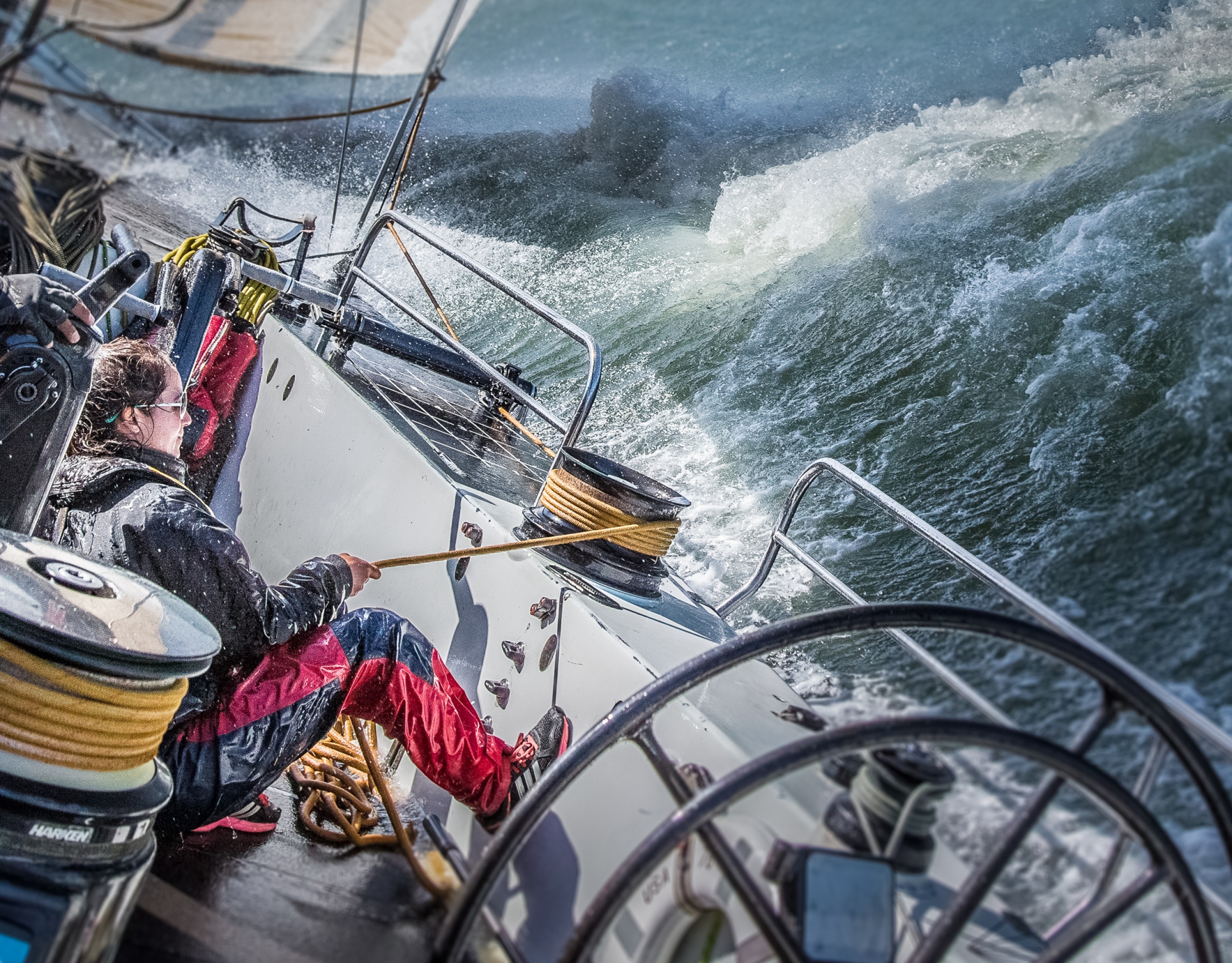
‘Storm in San Francisco Bay' by Michael Delman
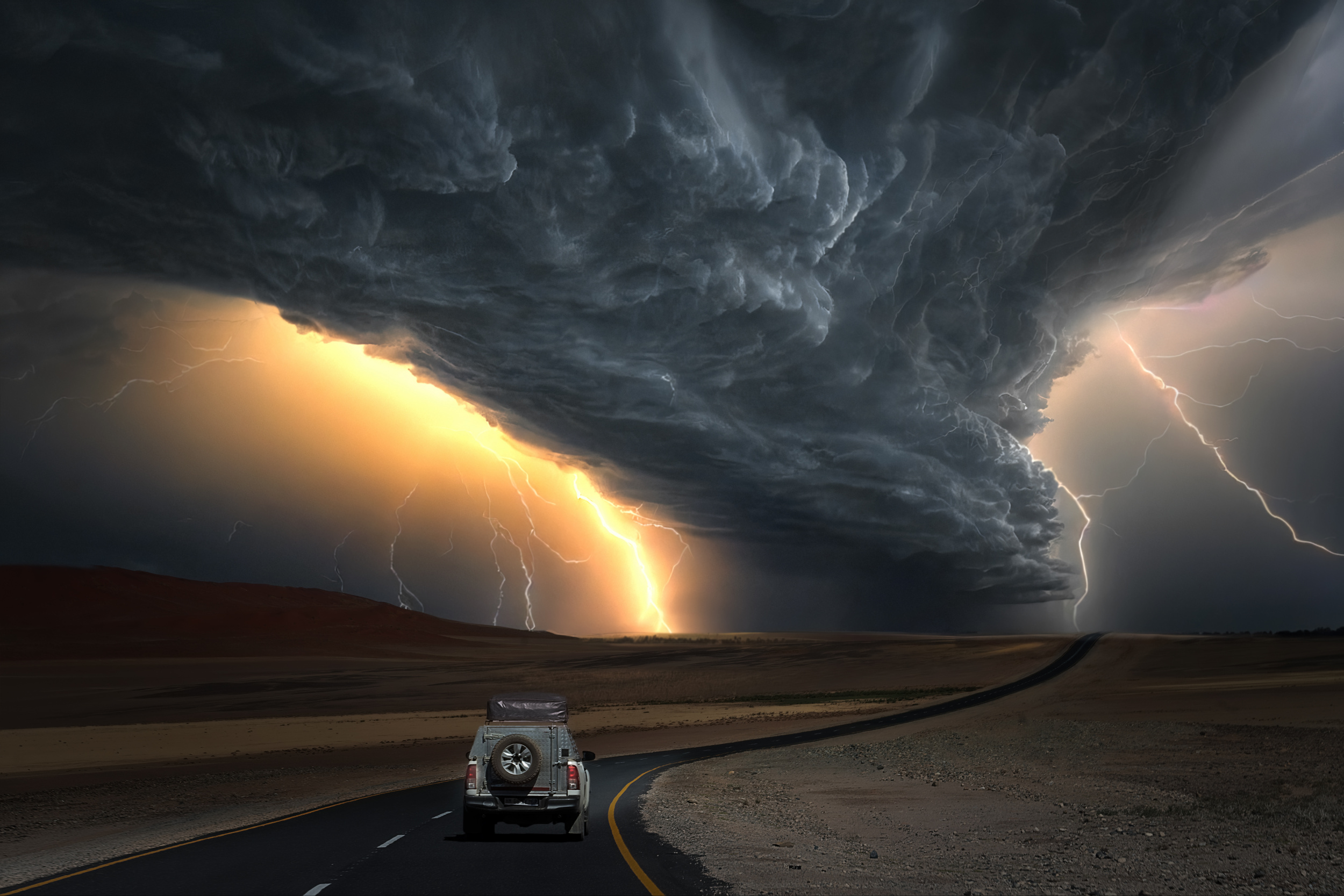
StormRoad’ by Marcel Egger

‘The garden hose’ by Stephanie Kleimann

'Break the waves’ by Jennifer Lu

‘The Ansai Waist Drum Dance’ by BJ Yang
 ‘Extra Ordinary’ by Fauzan Maududdin

‘Windmill de Adriaan’ by Larry Deng APA

“Pas de deux” by Frank Ma

‘Leaves’ by Vanya Baramova
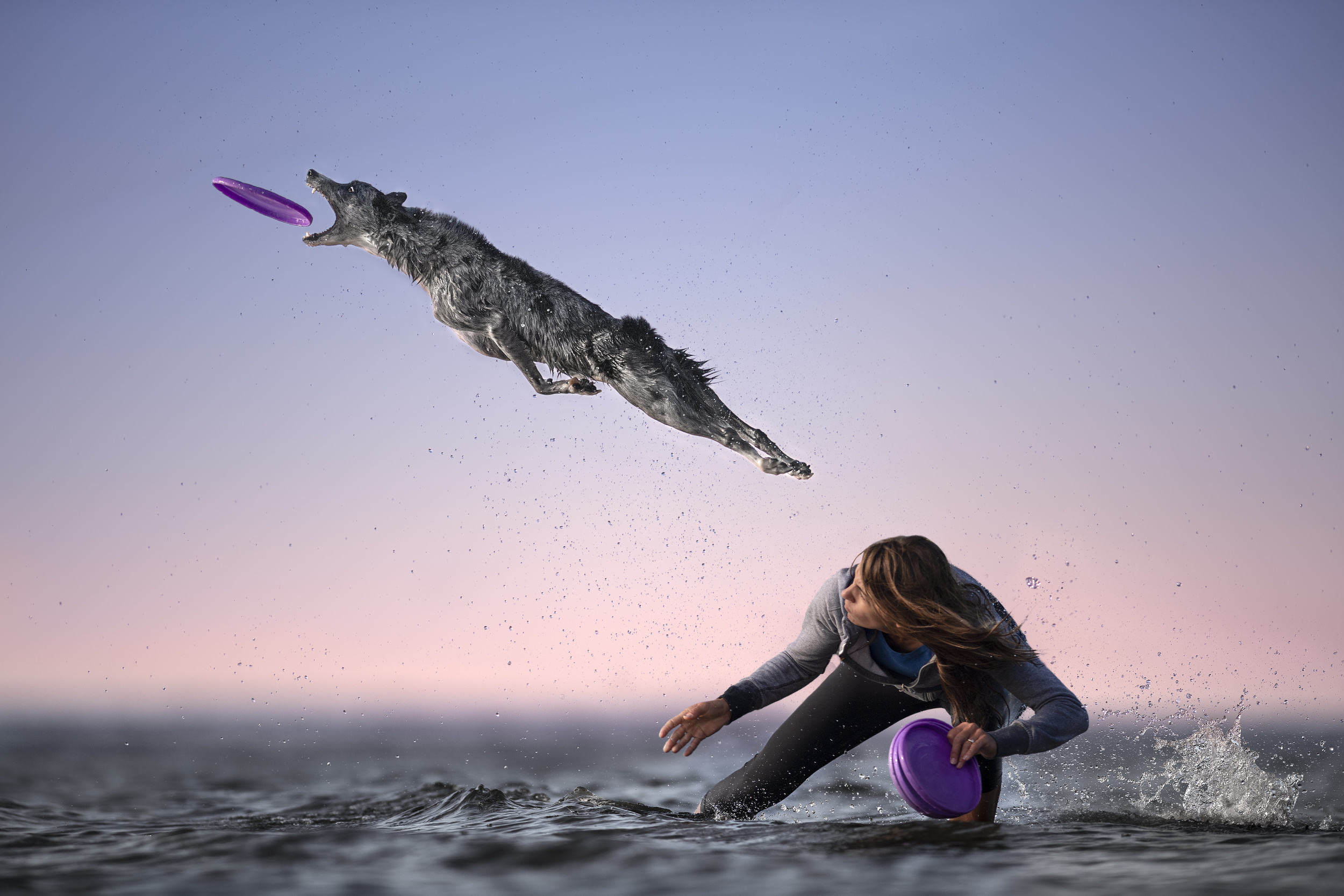
‘Zinga & Sara’ by Claudio Piccoli

‘Freedom’ by Christophe Kiciak

‘Mystical Rail’ by Tristan Shu
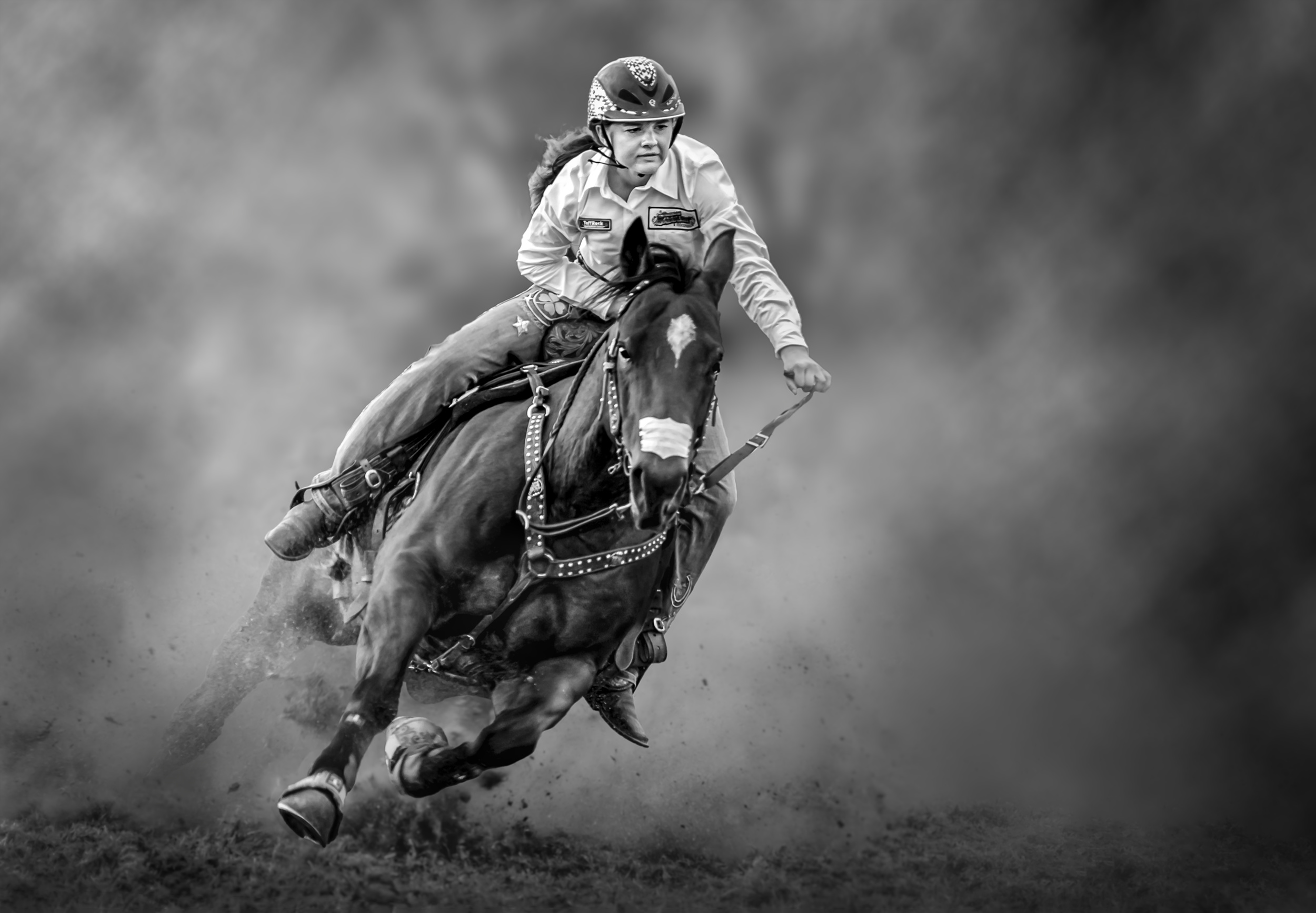
‘Pure Grit’ by Irene Wu
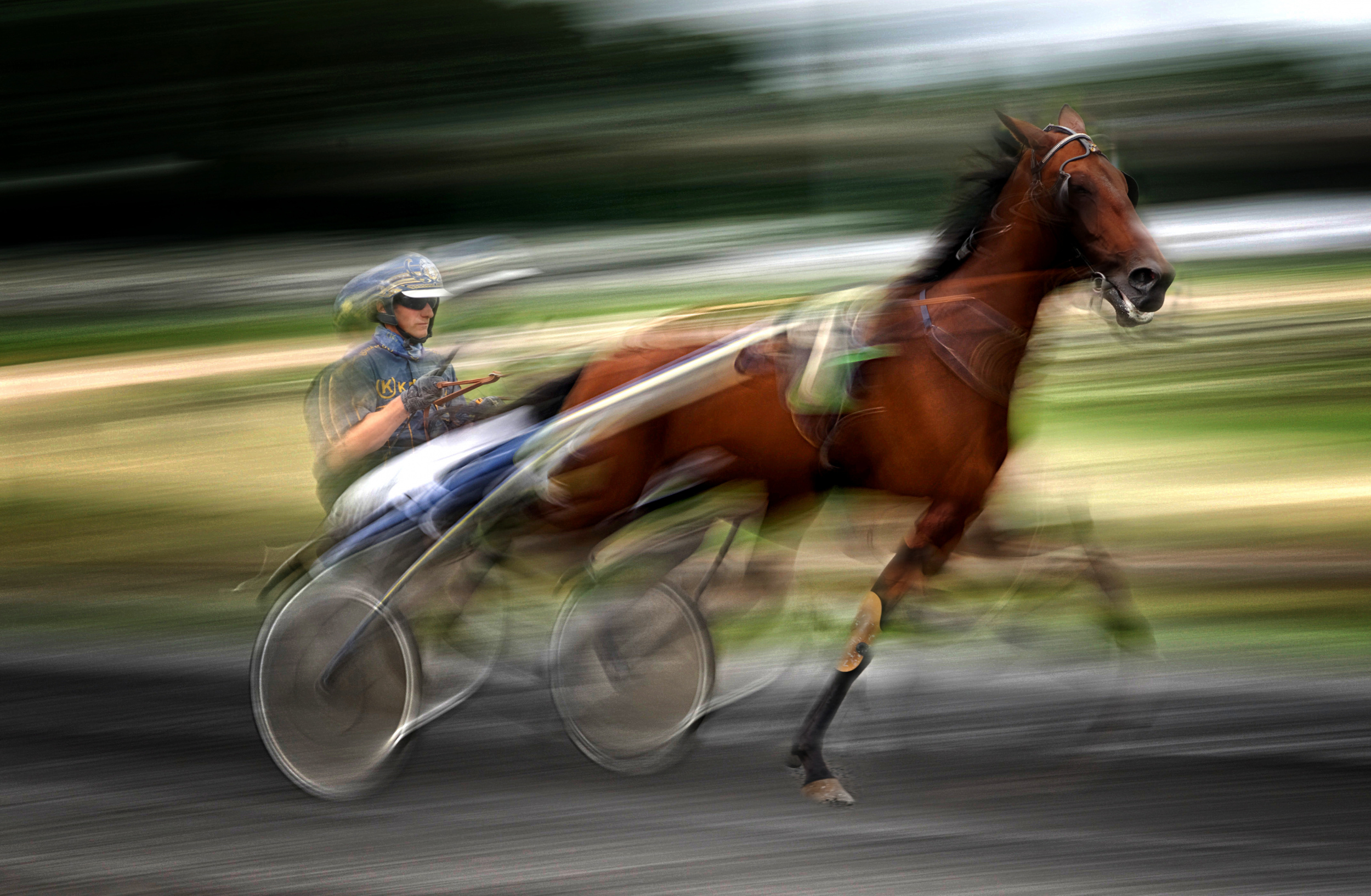
‘Dynamic trotting race’ by Erhard Batzdorf

‘Nostalgia’ by Rana Jabeen
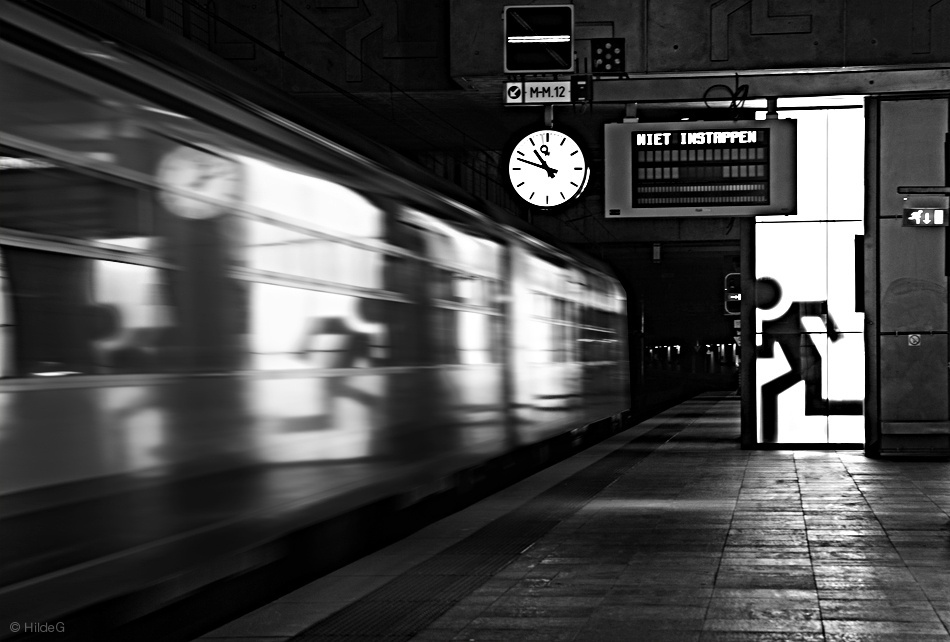
‘too late’ by Hilde Ghesquiere

‘Sequence of the gallop’ by Milan Malovrh

‘Flow of Dance’ by Rob Li
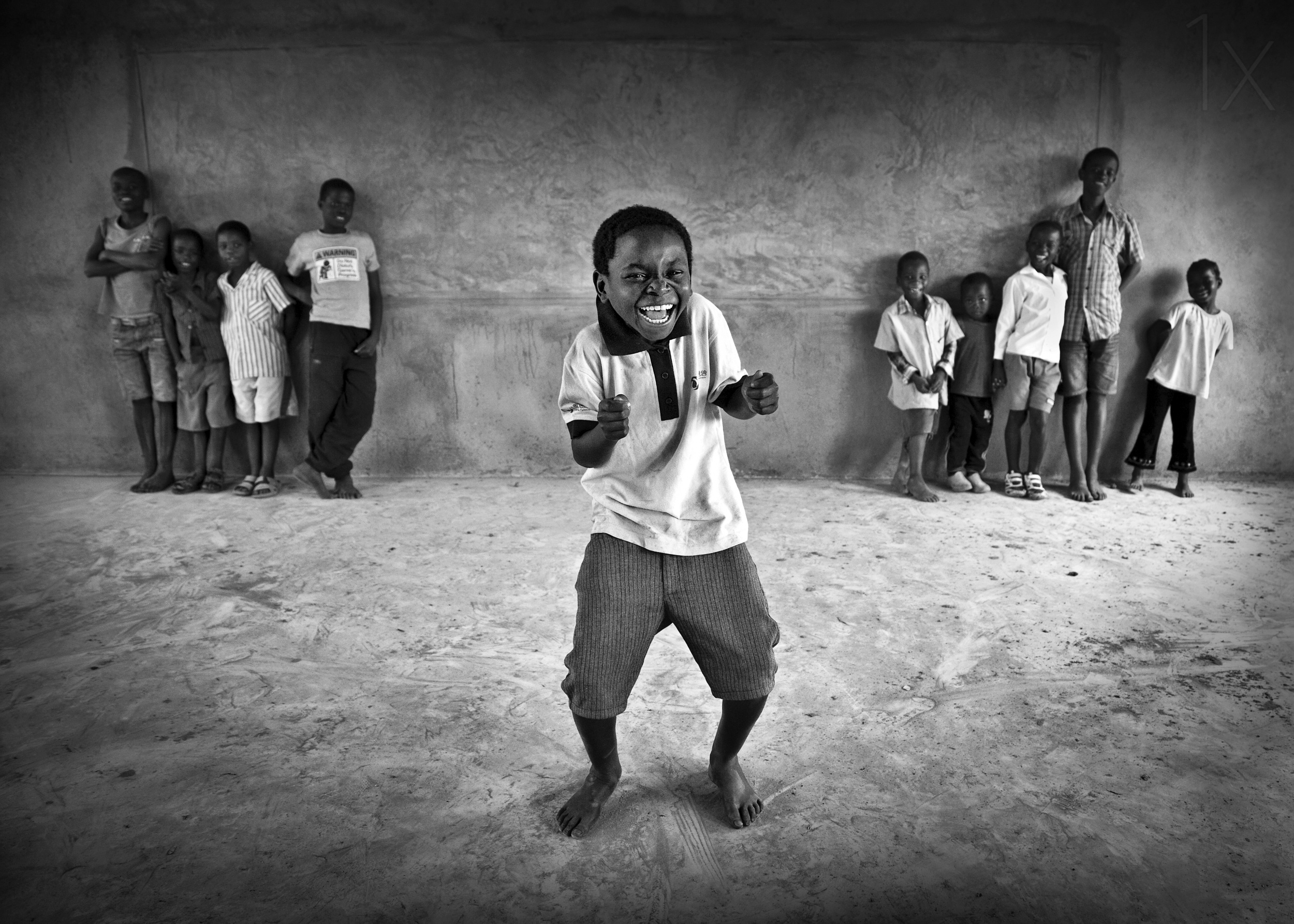
‘The performer’ by Marc Apers

‘Aura…’ by Katerina Lomonosov

‘black and white’ by Vedran Vidak

‘Breakthrough’ by James Cai

‘Eagle family’ by Tao Huang
 | Write |
 | Gian Corrado DONATI PRO Impressive series, congratulations ! Thanks for this article ! |
 | Francisco Villalpando PRO Fantastic pictures and excellent article, congratulations! |
 | James Cai PRO Thanks, Lourens and Yvette ! |
 | Miro Susta CREW Wonderful photo collection |
 | David Manusevich PRO Very beautiful work |
 | Rana Jabeen PRO Excellent article on a very interesting topic.
Thank you Lourens and Yvette |
 | Jane Lyons CREW What a fabulous article and collection of photographs. Sublime! Thank you, Lourens |
 | Ria Groot Zevert PRO GEWELDIG! |
 | Raymond Ren Rong Liu PRO Wonderful collections and great works, Thanks to Lourens and Yvette ! |
 | Kathryn King PRO So many gorgeous photographs, I do love energy, wonderful topic and write up about it. |
 | Stephanie Kleimann PRO Beautiful energy! Thanks a lot to Lourens and Yvette! |
 | Annie Keizer PRO SUPER👍👍 |
 | Dazhi Cen PRO Real energy!! |
 | Wanghan Li PRO Great! |
 | Vladimir Funtak PRO Quite a few upstanding works! |
 | Irene Wu PRO Really enjoyed this collection. Thanks to Lourens and Yvette! |
 | Larry Deng APA PRO Great collections and beautiful works. Thanks Lourens and Yvette for your hard work. +++ |
 | Frank Bruynseraede PRO Great series ! |
 | Rob Li CREW Very creative collection and thoughts! Thank you! |
 | Stéphane Pecqueux magnifiques !!!! |